
Introduction
Mount Olympus is one of the most famous and historically significant mountains in the world. Located in northern Greece, this magnificent mountain is widely known as the home of the ancient Greek gods. For thousands of years, Mount Olympus has captured the imagination of people through mythology, history, literature, and natural beauty. Today, it is not only an important symbol of Greek culture but also a popular destination for hikers, climbers, nature enthusiasts, photographers, and travelers from around the world.
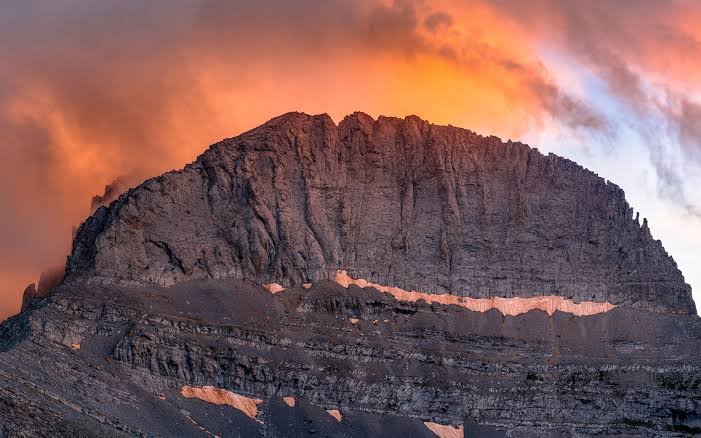
Standing at approximately 2,918 meters (9,573 feet), Mount Olympus is the highest mountain in Greece. Its highest peak, Mytikas, rises dramatically above the surrounding landscape and offers breathtaking views of the mountains, valleys, forests, and the Aegean Sea. The mountain is famous for its impressive peaks, deep gorges, rich biodiversity, and changing weather conditions.
Mount Olympus is much more than a geographical landmark. In ancient Greek mythology, it was believed to be the sacred home of the twelve Olympian gods, including Zeus, Hera, Poseidon, Athena, Apollo, Artemis, and other powerful deities. Ancient Greeks considered the mountain a divine place where gods ruled the universe and watched over human life.
Today, Mount Olympus attracts visitors who want to experience its natural landscapes, explore its hiking trails, discover its historical importance, and learn about its connection to ancient Greek civilization.
This comprehensive guide explores Mount Olympus, including its geographical location, height, geological formation, climate, wildlife, vegetation, mythology, history, hiking opportunities, tourism, and environmental importance.
1. Where Is Mount Olympus Located?
Mount Olympus is located in northern Greece, close to the border between the regions of Thessaly and Central Macedonia. It stands near the eastern coastline of mainland Greece and is situated relatively close to the Aegean Sea.
The mountain is part of the Olympus mountain range and dominates the surrounding landscape. Its geographical position makes it an important natural landmark in northern Greece.
Mount Olympus is located approximately 100 kilometers southwest of Thessaloniki, one of Greece’s largest cities. The nearby town of Litochoro serves as one of the main starting points for visitors exploring the mountain.
The mountain is surrounded by beautiful natural landscapes, including forests, rivers, valleys, rocky cliffs, and traditional Greek villages.
Its location also makes it an interesting destination for travelers exploring other parts of Greece. Visitors can combine a trip to Mount Olympus with visits to nearby beaches, archaeological sites, historic towns, and coastal destinations.
The mountain’s eastern slopes descend toward the Aegean Sea, creating an impressive contrast between high mountain scenery and coastal landscapes.
2. How Tall Is Mount Olympus?
Mount Olympus reaches an elevation of approximately 2,918 meters (9,573 feet) above sea level.
Its highest summit is called Mytikas, which means “nose” in Greek. Mytikas is the tallest point in Greece and one of the most recognizable mountain summits in southeastern Europe.
The mountain contains several other important peaks, including:
- Mytikas
- Skolio
- Stefani
- Skala
- Agios Antonios
- Profitis Ilias
Each peak has its own geographical characteristics and provides different views of the surrounding mountain landscape.
Skolio is another major summit and is often visited by hikers exploring the upper mountain. Stefani is particularly famous for its dramatic rocky appearance and is sometimes associated with the traditional name “Throne of Zeus.”
The impressive height of Mount Olympus creates different environmental conditions at different elevations.
Lower areas contain forests and Mediterranean vegetation, while higher elevations feature alpine meadows, exposed rocks, and mountain environments.
The highest areas can experience snow, strong winds, and rapidly changing weather conditions.
3. The Geological Formation of Mount Olympus
Mount Olympus has a fascinating geological history that developed over millions of years.
The mountain is mainly composed of limestone, marble, and other sedimentary and metamorphic rocks. These materials were shaped by powerful geological processes, including tectonic movements, folding, uplift, erosion, and weathering.
The region belongs to a geologically complex part of southeastern Europe.
Over geological time, movements within the Earth’s crust caused layers of rock to fold, break, and rise. These processes gradually contributed to the formation of the impressive mountain landscape visible today.
Limestone plays an especially important role in the geology of Mount Olympus.
Water can slowly dissolve limestone, creating underground channels, caves, and other karst features. This process contributes to the formation of distinctive rocky landscapes.
Glacial activity during colder periods of Earth’s history also influenced the upper mountain environment.
Ancient glaciers helped shape certain valleys and rocky features. Although the mountain does not currently contain large permanent glaciers, evidence of past glacial processes remains visible in parts of its landscape.
Erosion continues to shape Mount Olympus today.
Rainfall, melting snow, temperature changes, and flowing water gradually alter the mountain’s surface.
These geological processes make Mount Olympus an important destination for people interested in geology, mountain formation, and Earth’s natural history.
4. Why Is Mount Olympus Famous?
Mount Olympus is famous for several reasons, but its strongest association comes from ancient Greek mythology.
For centuries, people believed that the mountain was the home of the gods. According to traditional Greek religious beliefs, the most powerful deities lived on Olympus and controlled different aspects of the universe.
Zeus, the king of the gods, was believed to rule from Mount Olympus.
The mountain became a symbol of divine authority, power, immortality, and mystery.
Its high peaks, clouds, dramatic cliffs, and remote landscape made it an ideal setting for ancient stories about supernatural beings.
Mount Olympus is also famous because it is the highest mountain in Greece.
Its natural environment includes forests, rare plants, wildlife, impressive peaks, and deep valleys.
The mountain received international recognition for its environmental importance and became one of Greece’s most important protected natural areas.
Today, Mount Olympus is famous for combining mythology, geography, biodiversity, outdoor recreation, and cultural heritage in one remarkable destination.
5. Mount Olympus in Greek Mythology
The connection between Mount Olympus and Greek mythology is one of the most interesting aspects of the mountain.
Ancient Greeks believed that Mount Olympus was the sacred residence of the Olympian gods.
According to mythology, the gods lived in magnificent palaces on the mountain, where they gathered, discussed important matters, and watched over the world of humans.
The mountain was described as a place beyond ordinary human reach.
Its clouds and high summits helped create the idea that it was a mysterious and divine location.
The twelve Olympian gods are among the most famous figures associated with Mount Olympus.
Zeus
Zeus was considered the king of the gods and the ruler of the sky and thunder.
He was one of the most powerful figures in Greek mythology. Ancient stories frequently described him as the leader of the Olympian gods.
Hera
Hera was the goddess associated with marriage, family, and queenship.
She was traditionally described as the wife of Zeus and the queen of the gods.
Poseidon
Poseidon was the god of the sea, earthquakes, and horses.
He was one of the major deities in Greek mythology and was particularly important to communities connected with the sea.
Athena
Athena was the goddess of wisdom, strategic warfare, and crafts.
She was considered a protector of cities and an important figure in ancient Greek culture.
Apollo
Apollo was associated with music, poetry, prophecy, healing, and light.
He was one of the most respected gods in Greek mythology.
Artemis
Artemis was the goddess of hunting, wilderness, and the protection of young animals.
She was closely connected with nature and wild landscapes.
Ares
Ares was the god of war and represented the violent and destructive aspects of conflict.
Aphrodite
Aphrodite was the goddess of love and beauty.
She played an important role in many famous Greek myths.
Hermes
Hermes was the messenger of the gods and was associated with travel, communication, trade, and movement.
Hephaestus
Hephaestus was the god of metalworking, craftsmanship, and fire.
Demeter
Demeter was the goddess of agriculture, fertility, and the harvest.
Hestia
Hestia was associated with the hearth, home, and family life.
The traditional list of twelve Olympians sometimes varies because Dionysus is also included in place of Hestia in certain versions.
These mythological stories made Mount Olympus an important symbol of ancient Greek religion and imagination.
6. The Twelve Olympian Gods and Their Importance
The twelve Olympian gods represented different elements of the ancient Greek understanding of the world.
They were associated with natural forces, human emotions, social institutions, and important activities.
Ancient Greeks believed that these gods influenced weather, agriculture, relationships, warfare, artistic creativity, and everyday life.
Their stories were passed from generation to generation through oral traditions, poetry, religious practices, and literature.
One of the most famous ancient literary works connected with Greek mythology is Homer’s Iliad.
The poem describes events surrounding the Trojan War and includes many stories involving the Olympian gods.
The gods are presented as powerful personalities who sometimes cooperate and sometimes disagree.
Their relationships reflect themes such as loyalty, jealousy, wisdom, ambition, courage, and responsibility.
Mount Olympus provided the mythological setting for many of these stories.
Even today, these legends remain an important part of world literature and cultural history.
7. The History of Mount Olympus
Mount Olympus has been important to human communities for thousands of years.
Its surrounding regions were inhabited by ancient populations who developed agricultural activities, settlements, religious traditions, and trade connections.
The mountain’s dramatic appearance influenced local beliefs and cultural practices.
In ancient Greece, mountains were frequently associated with sacred places, gods, and religious ceremonies.
Mount Olympus became especially important because of its association with the Olympian gods.
Ancient Greek writers described the mountain as a divine location.
Its reputation spread through literature, philosophy, religious traditions, and storytelling.
During later historical periods, the surrounding region experienced changes under different political and cultural influences.
The mountain remained an important geographical landmark even as religious beliefs and political systems changed.
In modern times, Mount Olympus became increasingly recognized for its scientific and environmental importance.
The establishment of Olympus National Park in 1938 represented an important milestone in the protection of Greece’s natural heritage.
It became Greece’s first national park.
This protection helped preserve the mountain’s forests, wildlife, vegetation, and distinctive mountain landscapes.
Today, Mount Olympus is recognized as a destination with exceptional natural and cultural value.
8. Olympus National Park
Olympus National Park is one of the most important protected natural areas in Greece.
Established in 1938, the park was created to protect the mountain’s remarkable natural environment and biodiversity.
It includes a variety of ecosystems, ranging from Mediterranean forests at lower elevations to alpine environments near the highest summits.
The park contains forests, streams, deep valleys, rocky slopes, mountain meadows, and impressive cliffs.
Its environmental diversity supports many species of plants and animals.
Olympus National Park is especially important because of its rich biodiversity.
Different elevation levels create different habitats, allowing species with different environmental requirements to survive within the same protected area.
The park is also important for scientific research.
Researchers study its plants, animals, geology, climate, and ecological relationships.
Its protected status helps maintain the natural environment while supporting responsible tourism and environmental education.
Visitors can explore designated hiking routes and enjoy the mountain’s natural beauty while learning about the importance of conservation.
9. Climate of Mount Olympus
The climate of Mount Olympus changes significantly with elevation.
The lower mountain areas generally experience a Mediterranean climate, with relatively warm summers and cooler, wetter winters.
Higher elevations have much colder conditions.
Temperatures decrease as elevation increases, creating distinct climatic zones across the mountain.
During summer, lower areas may experience warm and pleasant weather, while the upper mountain can remain cool.
Winter brings colder temperatures, snowfall, and challenging mountain weather.
Snow can remain in higher areas well into spring and sometimes into early summer, depending on seasonal conditions.
Strong winds are common near exposed summits.
Clouds can also develop quickly, reducing visibility and changing the appearance of the mountain.
Rainfall, snow, fog, and temperature changes can occur within relatively short periods.
The mountain’s weather is influenced by its elevation, geographical position, and proximity to the Aegean Sea.
For this reason, visitors should always check updated weather forecasts before planning mountain activities.
10. Best Time to Visit Mount Olympus
The best time to visit Mount Olympus depends on the type of experience a traveler wants.
Different seasons provide different opportunities to enjoy the mountain.
Spring
Spring is an attractive season for exploring the lower and middle elevations.
Temperatures gradually become warmer, flowers begin to appear, and forests become greener.
The landscape looks particularly beautiful during this period.
However, snow may remain at higher elevations.
Summer
Summer is generally the most popular season for hiking and mountain exploration.
The weather is often more suitable for reaching higher areas, although conditions can still change quickly.
Many visitors choose summer because of longer daylight hours and more favorable conditions on established hiking routes.
Autumn
Autumn brings cooler temperatures and beautiful seasonal colors.
Forests can display attractive shades of yellow, orange, and brown.
The number of visitors may decrease compared with the busiest summer months.
However, weather conditions can become less predictable as winter approaches.
Winter
Winter transforms Mount Olympus into a snow-covered mountain landscape.
The scenery can be spectacular, but conditions become much more demanding.
Snow, ice, cold temperatures, and strong winds make high-altitude activities more difficult.
Winter mountain travel requires appropriate experience, equipment, and professional guidance where necessary.
For most general visitors and beginner hikers, the warmer months are usually the more practical choice.
11. Wildlife of Mount Olympus
Mount Olympus is home to a remarkable variety of wildlife.
Its different habitats provide food, shelter, and breeding environments for numerous animal species.
The mountain’s forests and rocky landscapes support mammals, birds, reptiles, amphibians, and insects.
Mammals
Several mammal species inhabit the Olympus region.
These include:
- Red foxes
- European wildcats
- Roe deer
- Wild boars
- Squirrels
- Badgers
- Martens
- Wolves in the wider regional landscape
The presence of different mammals reflects the diversity of habitats found across the mountain.
Some species prefer dense forests, while others inhabit open mountain areas.
Birds
Mount Olympus is also important for birdlife.
Bird species found in the region include different types of eagles, falcons, owls, woodpeckers, and other forest and mountain birds.
Birds of prey are particularly interesting because they use the mountain’s cliffs and open landscapes for hunting and nesting.
The region provides opportunities for birdwatching and ecological research.
Reptiles and Amphibians
Various reptiles and amphibians live in suitable habitats around the mountain.
These include lizards, snakes, frogs, and other species adapted to Mediterranean and mountain environments.
Streams and wet areas provide important habitats for amphibians.
Insects
The mountain also supports numerous insects.
Butterflies, beetles, bees, and other insects contribute to pollination and the functioning of natural ecosystems.
Together, these animals make Mount Olympus an important destination for biodiversity conservation.
12. Plant Life and Vegetation of Mount Olympus
Mount Olympus is famous for its diverse vegetation.
The mountain contains several vegetation zones because environmental conditions change with elevation.
At lower elevations, Mediterranean vegetation is common.
This includes shrubs, evergreen plants, and forests adapted to relatively warm conditions.
Higher elevations contain different types of forest and mountain vegetation.
Beech and oak forests are important components of the lower and middle mountain environments.
Fir trees and other conifers also contribute to the landscape.
As elevation increases, forests gradually become less dense.
Mountain meadows and alpine vegetation appear near the upper slopes.
These environments contain plants adapted to cold temperatures, strong winds, rocky ground, and short growing seasons.
Some plant species found on Mount Olympus are rare or locally restricted.
This makes the mountain particularly valuable for botanical research and conservation.
Its plant diversity is one of the main reasons the region has attracted scientific attention.
13. Rare and Endemic Plants on Mount Olympus
One of the most remarkable characteristics of Mount Olympus is its botanical diversity.
The mountain supports numerous plant species, including rare species that are restricted to particular geographical areas.
Some plants have adapted to the special environmental conditions of rocky slopes and high-altitude habitats.
These adaptations may include small leaves, compact growth, deep roots, and the ability to survive cold temperatures.
Endemic plants are species that naturally occur in a limited geographical region.
Mount Olympus contains several plants of particular scientific interest because of their restricted distribution.
The presence of rare plants highlights the importance of protecting the mountain’s ecosystems.
Visitors should avoid picking wildflowers or removing plants from their natural habitats.
Responsible behavior helps preserve these species for future generations.
14. Major Peaks of Mount Olympus
Mount Olympus contains several important summits.
Each peak contributes to the mountain’s distinctive shape and geographical identity.
Mytikas
Mytikas is the highest summit of Mount Olympus and the highest point in Greece.
Its elevation is approximately 2,918 meters.
The peak is famous for its impressive rocky landscape and spectacular views.
Skolio
Skolio is another major summit, reaching approximately 2,911 meters.
It is a popular destination for experienced hikers exploring the upper mountain.
Stefani
Stefani is famous for its dramatic rocky formation.
Its shape has inspired the traditional name “Throne of Zeus.”
The peak is particularly recognizable when viewed from nearby summits.
Skala
Skala is an important high point on the mountain and forms part of several routes toward Mytikas.
Agios Antonios
Agios Antonios is another notable summit.
It is associated with a small chapel and provides beautiful views of the surrounding landscape.
These peaks make Mount Olympus one of the most distinctive mountain environments in Greece.
15. Hiking on Mount Olympus
Hiking is one of the most popular activities on Mount Olympus.
The mountain offers a network of established paths that pass through forests, valleys, rocky slopes, and high-altitude environments.
Visitors can choose routes according to their experience, physical preparation, and available time.
Some lower mountain trails are suitable for people interested in nature walks.
Other routes require considerable mountain experience.
Hiking on Mount Olympus offers opportunities to discover different landscapes within a relatively small geographical area.
The scenery changes as visitors move from forest environments to open mountain slopes.
Waterfalls, streams, viewpoints, and impressive rock formations add to the experience.
Many hikers use Litochoro as a starting point.
The town provides access to several well-known routes and serves as an important center for mountain tourism.
Before beginning a hike, visitors should research the selected route and check current conditions.
Weather, snow, trail closures, and individual experience should all be considered.
16. Prionia: A Popular Starting Point
Prionia is one of the best-known access points for visitors exploring Mount Olympus.
Located within the mountain’s forested environment, it serves as an important starting location for many hiking trips.
The area is reached by road from Litochoro.
Prionia provides access to trails leading toward mountain refuges and higher elevations.
Its natural surroundings include trees, mountain scenery, and flowing water.
Many visitors use Prionia as the starting point for an overnight trip toward one of the mountain refuges.
The location is especially popular during the summer hiking season.
Because it is a busy access point, visitors should plan parking, transportation, and hiking arrangements in advance.
17. Mountain Refuges on Mount Olympus
Mountain refuges are important facilities for people exploring Mount Olympus.
They provide shelter and support for hikers and mountaineers.
Several refuges are located at different elevations.
Spilios Agapitos Refuge
Spilios Agapitos Refuge is one of the best-known mountain shelters on Olympus.
It is situated at approximately 2,060 meters above sea level.
The refuge is commonly used by hikers traveling toward the higher summits.
It offers accommodation and basic services during its operating season.
Giosos Apostolidis Refuge
Giosos Apostolidis Refuge is located at approximately 2,697 meters.
Its high-altitude location makes it an important shelter for visitors exploring the upper mountain.
Christos Kakkalos Refuge
Christos Kakkalos Refuge is another important shelter in the upper mountain area.
It provides a base for experienced hikers and mountaineers.
The availability of facilities and opening dates can vary.
Visitors should confirm current arrangements before traveling.
18. Climbing Mytikas: The Highest Peak of Greece
Reaching Mytikas is one of the most famous mountain experiences in Greece.
The summit offers spectacular views across the Olympus massif and surrounding landscapes.
However, reaching the highest point is not simply an ordinary hiking activity.
The final approach involves exposed rocky terrain and scrambling, which requires suitable experience and careful judgment.
Conditions can change rapidly at high elevation.
Wind, fog, loose rock, and wet surfaces may increase the difficulty.
Visitors without appropriate experience should consider hiring a qualified mountain guide.
Reaching a lower viewpoint or another summit can also provide an excellent mountain experience without attempting the most demanding sections.
The most important part of any mountain journey is making safe decisions.
19. Enipeas Gorge
Enipeas Gorge is one of the most beautiful natural attractions near Mount Olympus.
The gorge is located on the eastern side of the mountain and is famous for its flowing river, forest scenery, and impressive rock formations.
The Enipeas River passes through a landscape of trees, stones, and natural pools.
Visitors can explore walking paths that follow parts of the gorge.
The area is particularly attractive during spring and summer.
The sound of flowing water and the surrounding forest create a peaceful atmosphere.
Several small waterfalls and water features add to the beauty of the area.
Enipeas Gorge is an excellent destination for nature lovers who want to explore Mount Olympus without climbing to its highest summits.
20. Litochoro: The Gateway to Mount Olympus
Litochoro is a beautiful town located near the eastern slopes of Mount Olympus.
It is widely considered one of the main gateways to the mountain.
The town combines traditional Greek architecture, mountain scenery, local culture, and modern visitor facilities.
Litochoro is an important base for hikers, climbers, and tourists.
Visitors can find accommodation, restaurants, cafés, shops, and travel services.
The town also provides access to several walking routes and nearby natural attractions.
Its location makes it convenient for people who want to explore both the mountain and the Aegean coastline.
Litochoro has a relaxed atmosphere and provides an excellent introduction to the region.
21. Traditional Villages Around Mount Olympus
Several villages and settlements around Mount Olympus offer visitors opportunities to discover local Greek culture.
These communities are closely connected with the mountain’s landscape and traditional way of life.
Palaioi Poroi is known for its traditional atmosphere and mountain scenery.
Palaios Panteleimonas is another attractive village with stone buildings, narrow streets, and views toward the sea.
Dion is particularly important because of its archaeological heritage.
These villages provide opportunities to experience traditional architecture, regional food, local customs, and hospitality.
Visiting nearby communities can make a Mount Olympus trip more culturally interesting.
22. Archaeological Importance of the Olympus Region
The region surrounding Mount Olympus has considerable archaeological importance.
One of its most famous historical sites is ancient Dion.
Dion was an important religious and cultural center in ancient Macedonia.
The ancient city was associated with the worship of Zeus and other Greek deities.
It contained temples, public buildings, theaters, and other structures.
Archaeological discoveries have provided valuable information about religious practices and everyday life in ancient Macedonia.
The site also demonstrates the historical relationship between the mountain and ancient Greek religious traditions.
Visitors interested in history can combine a trip to Mount Olympus with a visit to the archaeological park and museum at Dion.
23. Mount Olympus and Ancient Greek Culture
Mount Olympus played an important role in the cultural development of ancient Greece.
Its mythological importance influenced poetry, drama, sculpture, painting, and religious traditions.
The mountain became a symbol of divine power and the relationship between humans and the supernatural world.
Ancient Greek writers frequently referred to Olympus in their works.
Its name also became associated with excellence, achievement, and greatness.
The Olympic Games were another important part of ancient Greek culture, although their historical origin is associated with Olympia rather than Mount Olympus.
The similarity between these names sometimes creates confusion among visitors.
Mount Olympus was the mythological home of the gods, while Olympia was the historical location of the ancient Olympic Games.
Both places are important to Greek heritage, but they have different historical identities.
24. Mount Olympus in Literature and Art
The mountain has inspired writers, poets, artists, and historians for centuries.
Its association with the Greek gods made it an important subject in classical literature.
Ancient poems describe Olympus as a divine location where the gods gathered.
Later European artists also used Mount Olympus as a symbol of mythology and classical civilization.
Paintings, sculptures, theatrical works, and literary adaptations helped spread its reputation across the world.
Today, Mount Olympus continues to appear in books, films, educational materials, and popular culture.
Its name is frequently used to represent extraordinary achievement and greatness.
25. Tourism Around Mount Olympus
Tourism is an important part of the local economy surrounding Mount Olympus.
The region attracts visitors interested in hiking, mountaineering, cultural heritage, nature, and outdoor recreation.
Tourists visit throughout the year, although summer is generally the busiest period for high-altitude hiking.
The area offers several types of tourism experiences.
These include:
- Mountain hiking
- Nature walks
- Birdwatching
- Wildlife observation
- Cultural tourism
- Archaeological visits
- Village exploration
- Landscape photography
- Guided mountain excursions
The combination of natural and historical attractions makes the region appealing to different types of travelers.
Responsible tourism is especially important because the mountain contains fragile ecosystems and protected habitats.
26. Photography Opportunities on Mount Olympus
Mount Olympus provides excellent opportunities for landscape photography.
Its dramatic peaks, forests, clouds, rocky slopes, and mountain valleys create impressive photographic scenes.
Photographers can capture different landscapes at different elevations.
Lower forest areas offer opportunities for photographing trees, rivers, and natural vegetation.
Higher elevations provide wide mountain views and impressive rock formations.
Sunrise and sunset can create beautiful lighting conditions.
Clouds moving around the peaks can also produce dramatic scenery.
Photographers should remember that weather conditions can change rapidly.
They should prioritize safety and avoid moving onto exposed or unstable terrain simply to obtain a photograph.
27. Water Resources of Mount Olympus
Mount Olympus plays an important role in the regional water environment.
Rainfall and melting snow provide water for streams, springs, and rivers.
The mountain’s geological structure influences how water moves through its slopes.
Some water flows over the surface, while other water enters underground channels.
The Enipeas River is one of the best-known watercourses associated with the mountain.
Water from the Olympus region contributes to local ecosystems and supports plants, animals, and human communities.
Forests also play an important role in maintaining water quality and regulating water movement.
Protecting the mountain’s natural water systems is essential for environmental conservation.
28. Environmental Importance of Mount Olympus
Mount Olympus is one of Greece’s most valuable natural environments.
Its ecological importance comes from its variety of habitats and the large number of plant and animal species found within the region.
The mountain supports biodiversity across several elevation zones.
It also provides important ecosystem services.
Forests help store carbon, protect soil, regulate water movement, and provide wildlife habitats.
Mountain streams support aquatic ecosystems and contribute to the wider regional water system.
The area’s natural diversity also makes it valuable for environmental education and scientific research.
Conservation efforts help protect these resources for future generations.
29. Mount Olympus as a UNESCO Biosphere Reserve
Mount Olympus has international recognition for its environmental importance.
It was designated a UNESCO Biosphere Reserve in 1981.
This recognition highlights the mountain’s ecological value and the importance of balancing conservation with sustainable human activities.
Biosphere reserves are areas that support the protection of biodiversity while encouraging responsible relationships between people and nature.
Mount Olympus provides an important example of how natural environments can be protected while supporting research, education, and tourism.
The designation also increases international awareness of the mountain’s ecological significance.
30. Threats Facing Mount Olympus
Although Mount Olympus is a protected natural area, it faces several environmental challenges.
Climate change is one of the major long-term concerns.
Changing temperatures and precipitation patterns can affect mountain ecosystems.
Plant and animal species adapted to colder environments may face increasing pressure as temperatures rise.
Other challenges include:
- Forest fires
- Soil erosion
- Uncontrolled waste
- Habitat disturbance
- Invasive species
- Excessive visitor pressure
- Damage to sensitive vegetation
Mountain tourism can also create environmental problems when visitors leave rubbish, disturb wildlife, or walk outside designated paths.
Effective management and public awareness are necessary to reduce these impacts.
31. Climate Change and Its Effects on Mount Olympus
Climate change is affecting mountain environments across the world, and Mount Olympus is not an exception.
Increasing temperatures can influence snow cover, water availability, and the distribution of plant species.
Species that depend on cold high-altitude conditions may have fewer suitable habitats as environmental conditions change.
Changes in rainfall patterns may also affect streams and seasonal water supplies.
Extreme weather events can contribute to erosion and ecosystem disturbance.
Researchers study these changes to understand how mountain environments respond to global climate patterns.
Protecting forests, maintaining biodiversity, and monitoring ecological changes are important parts of long-term conservation.
32. How to Reach Mount Olympus
Mount Olympus is accessible through several transportation options.
Many international visitors first arrive in Greece through Athens or Thessaloniki.
Thessaloniki is generally the more convenient major city for travelers visiting the mountain.
From Thessaloniki, visitors can travel toward Litochoro by road or rail.
Litochoro provides access to the eastern side of Mount Olympus.
Travelers can use rental cars, buses, or train connections depending on their itinerary.
The exact journey time depends on the departure location, transport service, and road conditions.
Visitors planning to reach Prionia or other mountain access points should check local transportation arrangements.
Planning transportation in advance can make the journey easier.
33. Accommodation Near Mount Olympus
Visitors can find different accommodation options around Mount Olympus.
Litochoro is one of the most convenient places to stay.
It offers hotels, guesthouses, apartments, and other accommodation facilities.
Traditional villages also provide smaller guesthouses and rooms.
Some travelers prefer staying close to the mountain to begin hiking early in the morning.
Mountain refuges provide more basic accommodation for people undertaking longer mountain journeys.
Accommodation availability can vary depending on the season.
Summer weekends and holiday periods may be especially busy.
Booking in advance is recommended for popular travel dates.
34. Food and Local Cuisine Around Mount Olympus
The region around Mount Olympus offers visitors opportunities to enjoy traditional Greek food.
Greek cuisine is known for fresh ingredients, olive oil, vegetables, herbs, cheese, seafood, and regional specialties.
Visitors can enjoy traditional dishes in Litochoro and nearby villages.
Popular Greek foods include:
- Greek salad
- Moussaka
- Souvlaki
- Spanakopita
- Grilled vegetables
- Fresh seafood
- Tzatziki
- Traditional breads
- Local cheeses
Mountain villages may also offer traditional meat dishes and regional recipes.
Trying local food is an enjoyable way to experience the culture of the Olympus region.
35. Cultural Experiences Around Mount Olympus
A visit to Mount Olympus can include much more than hiking.
The surrounding communities offer opportunities to experience traditional Greek culture.
Visitors can explore historic villages, visit churches, discover archaeological sites, and enjoy local festivals when available.
The area also has connections with ancient mythology and Macedonian history.
Local museums and cultural centers provide information about the region’s heritage.
These experiences help visitors understand why Mount Olympus has remained important throughout history.
36. Mount Olympus for Families
Families can enjoy several accessible attractions around Mount Olympus.
The lower mountain areas, nearby villages, and cultural sites offer opportunities for educational and recreational visits.
Families interested in nature can explore suitable walking paths and enjoy the mountain scenery.
Children can learn about Greek mythology, wildlife, geology, and plant diversity.
The archaeological site of Dion also provides an interesting opportunity to learn about ancient history.
However, high-altitude routes and demanding mountain activities are not appropriate for every family member.
Families should select activities according to the ages, abilities, and experience of their members.
37. Mount Olympus for Nature Lovers
Mount Olympus is an excellent destination for people who appreciate natural environments.
Its diverse landscapes provide opportunities to observe forests, mountain plants, wildlife, streams, and geological formations.
Nature lovers can explore different ecological zones and learn how environmental conditions change with elevation.
The mountain is also an excellent destination for people interested in conservation.
Its protected status and international recognition make it an important example of biodiversity protection.
Visitors who enjoy peaceful outdoor environments may find the lower forest trails especially rewarding.
38. Mount Olympus for History Lovers
History enthusiasts can explore several attractions around Mount Olympus.
The archaeological site of Dion is particularly important.
It provides information about ancient Macedonian civilization and Greek religious traditions.
The surrounding region also contains traditional villages and historical buildings.
The connection between the mountain and ancient mythology makes it especially interesting for people studying classical history.
A trip combining the mountain, Dion, and nearby cultural destinations can provide a deeper understanding of Greece’s past.
39. Interesting Facts About Mount Olympus
Mount Olympus has many fascinating characteristics that make it one of the most recognizable mountains in Europe.
Here are some interesting facts:
- Mount Olympus is the highest mountain in Greece.
- Its highest summit is Mytikas.
- Mytikas reaches approximately 2,918 meters above sea level.
- The mountain is traditionally known as the home of the ancient Greek gods.
- Olympus National Park was established in 1938.
- It was the first national park in Greece.
- Mount Olympus became a UNESCO Biosphere Reserve in 1981.
- The mountain contains several major peaks.
- It supports a rich variety of plants and animals.
- Litochoro is one of its main gateway towns.
- The Enipeas Gorge is one of the area’s best-known natural attractions.
- The region includes important archaeological sites.
- The mountain contains forests, rocky slopes, and alpine environments.
- Its weather can change quickly with elevation.
- The name Olympus has become a symbol of greatness in many cultures.
These facts demonstrate the mountain’s importance in geography, mythology, history, and environmental science.
40. Mount Olympus Compared With Other Famous European Mountains
Mount Olympus is not the tallest mountain in Europe, but it has an especially important cultural identity.
The Alps contain some of Europe’s highest peaks, including Mont Blanc.
The Pyrenees form a major mountain boundary between France and Spain.
The Carpathians extend across several countries in Central and Eastern Europe.
Mount Olympus is smaller than many of these mountain systems in terms of elevation and geographical size.
However, its association with Greek mythology gives it a unique international reputation.
Its combination of natural beauty, cultural history, and biodiversity makes it one of Europe’s most interesting mountain destinations.
41. Scientific Research on Mount Olympus
Mount Olympus is an important location for scientific research.
Researchers study its geology, vegetation, wildlife, climate, and ecological processes.
Geologists investigate the rocks and structural features that formed the mountain.
Botanists examine plant communities and rare species.
Ecologists study relationships between animals, plants, and their environments.
Climate researchers monitor temperature, precipitation, snow cover, and other environmental conditions.
The mountain’s different elevation zones make it particularly valuable for understanding how environmental conditions influence biodiversity.
Scientific research also supports conservation planning.
By studying changes in the mountain environment, researchers can help identify potential threats and recommend effective protection measures.
42. Educational Importance of Mount Olympus
Mount Olympus offers valuable educational opportunities.
Students can learn about several subjects through the mountain’s geography and cultural history.
In geography, it provides examples of mountain formation, elevation, climate zones, and landscape development.
In biology, it demonstrates biodiversity and ecosystem relationships.
In geology, it offers opportunities to study limestone, marble, tectonic processes, and erosion.
In history and literature, it provides a connection to ancient Greek civilization and mythology.
Environmental education programs can also help students understand conservation and sustainable tourism.
For these reasons, Mount Olympus is an important subject for schools, universities, and educational travel programs.
43. Responsible Tourism on Mount Olympus
Responsible tourism is essential for protecting Mount Olympus.
Visitors should respect the natural environment and follow local park regulations.
They should remain on established trails, avoid disturbing animals, and never remove plants or natural objects.
Waste should always be carried out and disposed of appropriately.
Campfires should only be permitted in officially authorized areas.
Visitors should also respect mountain refuges and other shared facilities.
Using local guides and supporting responsible tourism businesses can contribute to the local economy.
Small actions by individual travelers can make a meaningful difference in protecting mountain ecosystems.
44. Safety and Preparation for Visiting Mount Olympus
Mount Olympus is a beautiful destination, but mountain environments require preparation.
Conditions can be different from those in nearby towns.
Temperature, wind, visibility, and precipitation may change rapidly with elevation.
Visitors should research their chosen route and understand its difficulty.
Appropriate footwear, suitable clothing, sufficient water, and reliable navigation are important considerations.
People attempting higher routes should have relevant mountain experience.
A qualified guide can help visitors understand route conditions and local hazards.
Checking official weather information and local mountain reports before departure is essential.
Visitors should never feel pressured to continue if conditions become unsuitable.
45. Mount Olympus and the Aegean Sea
One of the most interesting geographical features of Mount Olympus is its relationship with the Aegean Sea.
The mountain rises close to the eastern coastline of mainland Greece.
This creates an impressive contrast between high mountain peaks and the sea.
From certain elevated locations, visitors can enjoy views toward the surrounding coastal landscape.
The combination of mountains and sea contributes to the area’s distinctive scenery.
This geographical setting also influences local weather patterns and environmental conditions.
The nearby coast offers additional travel opportunities for people exploring the Olympus region.
46. The Economic Importance of Mount Olympus
Mount Olympus contributes to the economy of surrounding communities.
Tourism creates opportunities for hotels, restaurants, transportation providers, guides, shops, and other local businesses.
Visitors who explore the mountain also spend money in nearby towns and villages.
Cultural tourism and archaeological visits provide additional economic benefits.
Outdoor recreation supports businesses that provide equipment, accommodation, and guided experiences.
However, economic development should be balanced with environmental protection.
Sustainable tourism can help communities benefit from visitors while preserving the natural landscape.
47. Mount Olympus in Modern Popular Culture
The influence of Mount Olympus extends beyond ancient Greek literature.
Its name appears in modern books, films, video games, educational materials, and entertainment.
Many fictional stories use Olympus as a setting for gods, heroes, and supernatural adventures.
The mountain’s association with Zeus and the Olympian gods makes it especially recognizable.
Its name is also used by organizations, businesses, and products to suggest strength, excellence, and achievement.
This modern cultural presence demonstrates how ancient mythology continues to influence contemporary society.
48. Why Mount Olympus Should Be on Your Travel List
Mount Olympus deserves a place on the travel list of anyone interested in nature, history, and culture.
It offers a rare combination of dramatic mountain scenery and ancient mythology.
Visitors can explore beautiful forests, walk beside streams, discover historic villages, and learn about the ancient Greek world.
The mountain also provides opportunities for different types of outdoor activities.
Experienced hikers may be interested in the higher summits, while other visitors can enjoy easier walks and nearby cultural attractions.
Its location in northern Greece makes it possible to combine a mountain visit with other destinations in the region.
Mount Olympus offers a memorable experience because its natural and cultural importance are closely connected.
49. Future of Mount Olympus Conservation
The future of Mount Olympus depends on effective environmental protection and responsible management.
Conservation programs must address climate change, biodiversity loss, forest health, and tourism pressure.
Scientific research can help identify environmental changes and guide protection strategies.
Local communities also play an important role.
Their knowledge, participation, and support can strengthen conservation efforts.
Visitors can contribute by following environmental guidelines and choosing responsible travel services.
Protecting Mount Olympus is important not only for Greece but also for international natural heritage.
The mountain’s exceptional biodiversity and cultural importance make its long-term preservation a valuable global responsibility.
50. Frequently Asked Questions About Mount Olympus
Where is Mount Olympus located?
Mount Olympus is located in northern Greece, near the border between Thessaly and Central Macedonia.
How high is Mount Olympus?
Mount Olympus reaches approximately 2,918 meters above sea level.
What is the highest peak of Mount Olympus?
Mytikas is the highest summit, reaching approximately 2,918 meters.
Why is Mount Olympus famous?
It is famous as the mythological home of the ancient Greek gods and as the highest mountain in Greece.
Is Mount Olympus a national park?
Yes. Olympus National Park was established in 1938 and was the first national park in Greece.
Is Mount Olympus a UNESCO site?
Mount Olympus was designated a UNESCO Biosphere Reserve in 1981.
Can beginners visit Mount Olympus?
Yes. Beginners can explore suitable lower trails and accessible areas. However, the highest summits require greater mountain experience.
What is the best month to visit Mount Olympus?
Summer is generally the most popular period for hiking at higher elevations. Spring and autumn can also be attractive for lower-level exploration.
What is the nearest town to Mount Olympus?
Litochoro is one of the main towns used as a gateway to Mount Olympus.
Who lives on Mount Olympus according to mythology?
According to ancient Greek mythology, the twelve Olympian gods lived on Mount Olympus.
Is Mount Olympus difficult to climb?
The difficulty depends on the selected route. Lower trails are generally more accessible, while reaching Mytikas involves exposed and demanding mountain terrain.
Does Mount Olympus have snow?
Yes. Snow commonly occurs during winter and can remain at higher elevations into the warmer months.
What animals live on Mount Olympus?
The region supports animals such as foxes, roe deer, wild boars, wolves in the wider region, birds of prey, reptiles, amphibians, and numerous insects.
What is the famous gorge near Mount Olympus?
Enipeas Gorge is one of the best-known natural attractions near the mountain.
Conclusion
Mount Olympus is one of the most extraordinary natural and cultural landmarks in Greece. Its impressive elevation, dramatic mountain peaks, rich biodiversity, and connection to ancient Greek mythology make it a destination of international importance.
As the highest mountain in Greece, Mount Olympus offers breathtaking landscapes and valuable opportunities for outdoor exploration. Its highest summit, Mytikas, represents the mountain’s geographical importance, while its association with Zeus and the Olympian gods gives it a special place in world mythology.
The mountain’s forests, rivers, alpine vegetation, wildlife, and geological formations make it an important area for scientific research and environmental conservation.
Olympus National Park protects much of this remarkable natural environment, while its UNESCO Biosphere Reserve designation highlights its international ecological value.
Visitors can enjoy many experiences around Mount Olympus, including hiking, nature walks, cultural exploration, archaeological visits, and traditional Greek village tourism.
The nearby town of Litochoro, the beautiful Enipeas Gorge, and the ancient archaeological site of Dion add further value to the region.
However, preserving Mount Olympus requires responsible tourism, scientific research, and long-term environmental protection.
Climate change, habitat disturbance, and increasing tourism pressure are important challenges that require continued attention.
Ultimately, Mount Olympus is much more than a mountain. It is a symbol of Greek identity, a treasure of natural biodiversity, and a lasting connection to one of the world’s most influential mythological traditions.
Its combination of geographical beauty, historical importance, and cultural significance ensures that Mount Olympus will continue to attract visitors, researchers, and mythology enthusiasts from around the world.
For anyone interested in mountains, ancient history, natural landscapes, or Greek mythology, Mount Olympus remains one of the most fascinating destinations to discover.
SEO Information
SEO Title: Mount Olympus Mountain: Complete Guide to Greece’s Highest Mountain
Meta Description: Discover Mount Olympus in Greece, including its height, geography, Greek mythology, history, wildlife, hiking trails, climate, and natural beauty.
Focus Keyword: Mount Olympus Mountain
Secondary Keywords:
- Mount Olympus Greece
- Highest Mountain in Greece
- Mount Olympus Height
- Mytikas Peak
- Olympus National Park
- Greek Mythology Mount Olympus
- Mount Olympus Hiking
- Mount Olympus Wildlife
- Mount Olympus History
- Mount Olympus Travel Guide
Suggested URL Slug: mount-olympus-mountain-guide
Article Category: Mountains / Travel / Geography
Tags: Mount Olympus, Greece, Mountains, Greek Mythology, Nature, Hiking, Travel, Geography