
Introduction
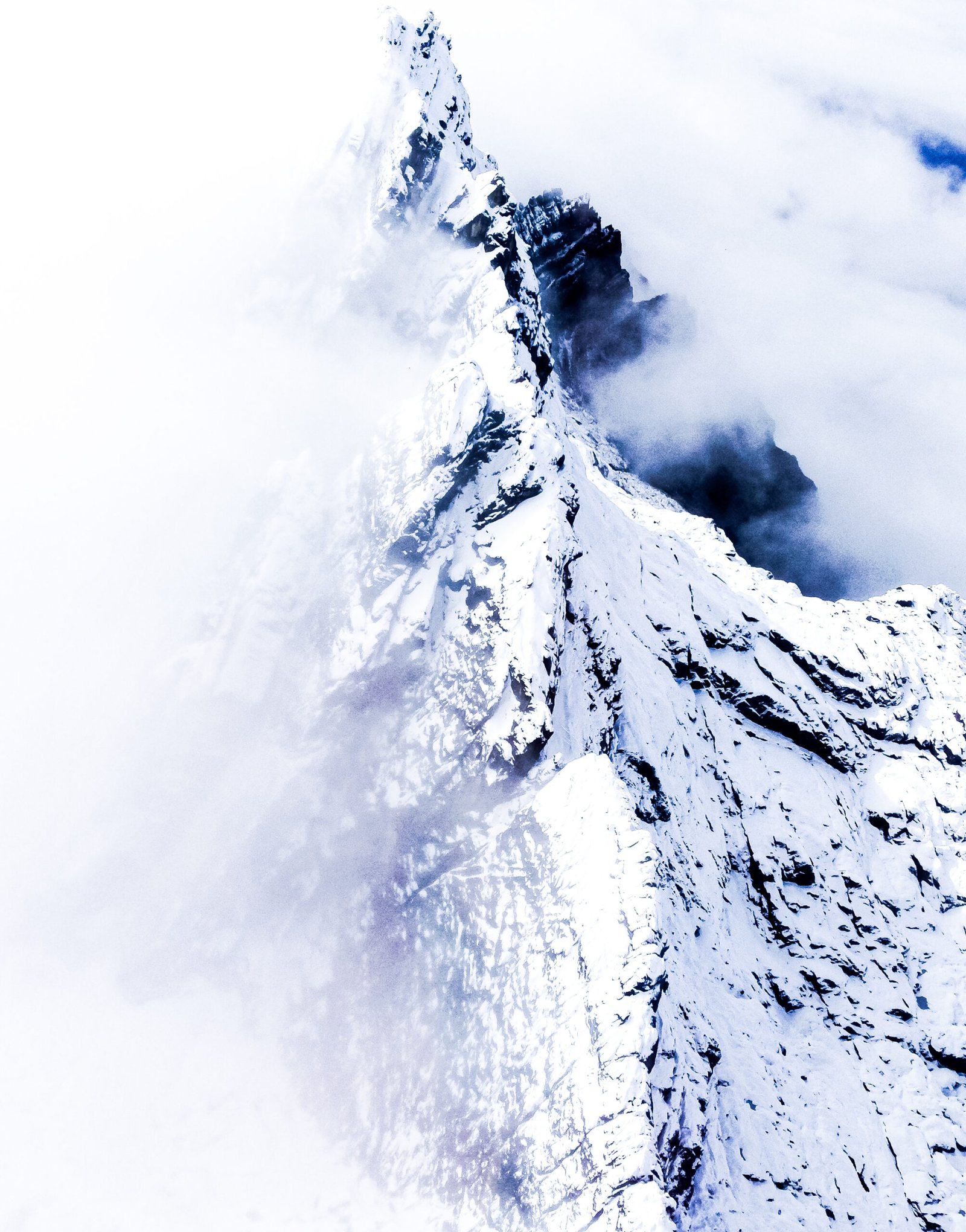
Mount Puncak Jaya is one of the most remarkable mountains in the world. Located on the island of New Guinea in the Indonesian province of Papua, this spectacular mountain is famous for its extraordinary height, rugged rocky landscape, tropical surroundings, and rare high-altitude glaciers. Also known as Carstensz Pyramid, Mount Puncak Jaya is considered the highest mountain in Indonesia and the highest peak in Oceania under the commonly used geographical classification.
Rising approximately 4,884 meters (16,024 feet) above sea level, Mount Puncak Jaya is an important geographical landmark. It belongs to the Sudirman Range, which forms part of the larger Maoke Mountains in the central highlands of New Guinea. Unlike many famous mountains covered in permanent snow, Puncak Jaya is primarily known for its steep limestone and rocky summit.
The mountain is particularly interesting because it is located close to the equator. Most people associate tropical regions with warm temperatures, rainforests, and humid weather. However, Puncak Jaya demonstrates how extremely high elevations can create cold environments even in tropical regions.
Historically, the mountain became internationally famous because of its challenging geography, European exploration, and its position among the world’s highest peaks. It is also significant because its surrounding glaciers provide important scientific evidence about climate change.
Today, Mount Puncak Jaya attracts attention from geographers, researchers, environmental scientists, and mountain enthusiasts. Its unusual combination of tropical geography, high-altitude rock formations, and disappearing glaciers makes it one of the most fascinating natural landmarks on Earth.
1. Where Is Mount Puncak Jaya Located?
Mount Puncak Jaya is located in the central mountain region of the Indonesian part of New Guinea. It lies in Papua, within the Sudirman Range, which is part of the Maoke Mountains.
New Guinea is one of the largest islands in the world. It is divided between Indonesia in the western part and Papua New Guinea in the eastern part. The island contains extensive rainforests, rivers, wetlands, coastal environments, and some of the highest mountains in the Pacific region.
Puncak Jaya stands in a remote mountainous area that is geographically difficult to reach. Its surroundings include steep valleys, rugged ridges, rocky slopes, and highland landscapes.
The mountain’s location makes it especially interesting from a geographical perspective. It is situated near the equator, yet its summit experiences extremely cold conditions because of its elevation.
The surrounding Sudirman Range contains several other impressive peaks, including Puncak Mandala and other high mountain formations. Together, these mountains form an important part of the natural geography of Papua.
Because of its remote location, Mount Puncak Jaya has historically been less accessible than many famous mountains in Europe, North America, and Asia.
2. Height and Geographic Importance
Mount Puncak Jaya reaches approximately 4,884 meters above sea level. This makes it the highest mountain in Indonesia and one of the most important peaks in Oceania.
Its elevation gives it considerable geographical importance. High mountains influence local weather conditions, water systems, vegetation patterns, and regional ecosystems.
Puncak Jaya is particularly famous among people interested in the Seven Summits challenge. The Seven Summits refer to the highest mountains on the world’s seven continents, although different geographical definitions can produce different lists.
Under the classification that includes Indonesia and the island of New Guinea within Oceania, Puncak Jaya is generally recognized as the highest peak of that region.
Its elevation also makes it higher than many well-known mountains, including Australia’s Mount Kosciuszko.
The mountain’s summit is surrounded by dramatic rock formations and steep mountain walls. Unlike broad, rounded mountain peaks, Puncak Jaya has a distinctive pointed appearance that contributes to its international recognition.
3. Why Is Mount Puncak Jaya Also Called Carstensz Pyramid?
Mount Puncak Jaya is widely known by two names: Puncak Jaya and Carstensz Pyramid.
The name Carstensz Pyramid comes from the Dutch navigator Jan Carstenszoon, who observed the mountain from the coast of New Guinea in 1623.
During his journey, Carstenszoon reportedly saw what appeared to be snow or ice on the distant mountain peaks. His observation attracted attention because the mountain was located close to the equator.
At that time, European geographical knowledge of the interior of New Guinea was limited. The mountain remained difficult to explore because of its remote location and challenging surrounding terrain.
The name Puncak Jaya is Indonesian. The word “Puncak” means summit or peak, while “Jaya” means victory or success.
The Indonesian name reflects the country’s geographical and cultural connection with the mountain.
Carstensz Pyramid remains a widely recognized international name, particularly in mountaineering literature and historical geographical records.
Both names refer to the same impressive mountain.
4. Geological Formation of Mount Puncak Jaya
The geological history of Mount Puncak Jaya is connected to the complex movement of tectonic plates in the region.
The island of New Guinea lies in a geologically active part of the Pacific region. Its mountain systems developed through long periods of tectonic movement, rock deformation, uplift, and erosion.
The Maoke Mountains formed through interactions involving the Australian Plate and surrounding tectonic systems. These movements gradually pushed sections of the Earth’s crust upward, creating the high mountain landscapes visible today.
Over millions of years, geological forces transformed the region into a landscape containing steep ridges, deep valleys, exposed rock formations, and impressive mountain summits.
Puncak Jaya is particularly associated with sedimentary rocks, including limestone formations. The surrounding geology reflects the complicated history of ancient marine environments, sediment deposition, tectonic deformation, and mountain building.
Limestone is formed mainly from accumulated calcium carbonate materials, often originating from marine organisms and other geological processes.
The presence of limestone in high mountain environments provides valuable information about the region’s ancient geological history.
Weathering and erosion have also shaped the mountain. Rainfall, temperature changes, water movement, and physical weathering gradually modify exposed rock surfaces.
The combination of tectonic uplift and erosion has helped create the dramatic landscape that makes Mount Puncak Jaya so distinctive.
5. Climate and Weather Conditions
Although Mount Puncak Jaya is located near the equator, its high elevation produces a cold mountain climate.
Temperature generally decreases as altitude increases. This means that high mountain summits can experience cold conditions even when nearby lowland regions are warm and humid.
The surrounding Papua region experiences a tropical climate influenced by its geographical position, oceanic conditions, and mountainous terrain.
At lower elevations, temperatures are generally warmer, and rainfall supports dense tropical vegetation.
At higher elevations, environmental conditions become increasingly different. Temperatures are lower, vegetation becomes less abundant, and exposed rocky surfaces become more common.
The summit area can experience strong winds, rapidly changing cloud conditions, rain, and low temperatures.
Weather in high mountain environments can change quickly. Clouds may cover the surrounding peaks, reducing visibility and making the landscape appear completely different within a short period.
Moist air from tropical lowlands also influences mountain weather. As air rises along mountain slopes, it cools and can produce clouds and precipitation.
These conditions make Puncak Jaya an important location for studying tropical mountain climates.
6. The Rare Glaciers of Mount Puncak Jaya
One of the most extraordinary features of Mount Puncak Jaya is its surrounding glacier system.
Glaciers are large masses of ice that form when snow accumulates over long periods and gradually transforms into compact ice.
Most glaciers are associated with high-latitude regions, such as Antarctica, Greenland, and mountainous parts of Europe and North America.
However, Puncak Jaya is located near the equator and historically supported some of the few remaining tropical glaciers outside the Andes and East Africa.
These glaciers made the mountain internationally important for climate research.
The Carstensz Glacier and the East Northwall Firn are among the best-known remaining ice formations associated with the mountain.
Historically, the surrounding area contained several glacier systems, including the Meren Glacier and other ice formations.
Over time, many of these glaciers became smaller and eventually disappeared.
The remaining ice has also experienced substantial retreat.
A scientific study published in 2025 in the journal The Cryosphere examined glacier changes using high-resolution satellite imagery and historical records.
The research found that glacier area had decreased by more than 99 percent compared with approximately 1850. It estimated that only around 0.165 square kilometers of glacier area remained in 2024.
The researchers also suggested that the remaining glaciers could disappear around 2030 if the observed retreat rates continue.
These findings demonstrate the extraordinary environmental changes taking place around Puncak Jaya.
7. Mount Puncak Jaya and Climate Change
Climate change is one of the most important environmental issues affecting Mount Puncak Jaya.
Rising temperatures influence mountain ecosystems, snow accumulation, glacier formation, and the stability of high-altitude environments.
Glaciers are particularly sensitive to temperature changes because their survival depends on the balance between snowfall and ice loss.
When temperatures increase, glaciers may melt more rapidly. If snowfall cannot replace the lost ice, the total glacier area gradually decreases.
Puncak Jaya provides an important example of how climate change affects tropical mountain environments.
Its glaciers have experienced significant retreat over many decades.
Scientists have used historical maps, satellite images, and field observations to understand how these ice formations have changed.
The loss of glaciers is important because they provide information about long-term environmental conditions.
It also demonstrates that climate change is not limited to polar regions. Tropical mountain environments are also experiencing major changes.
The disappearance of these glaciers would represent the loss of an extremely rare natural feature.
Researchers continue to study the mountain because it provides valuable information about tropical climate systems and environmental transformation.
8. Historical Exploration of Mount Puncak Jaya
Mount Puncak Jaya has a fascinating history of geographical discovery and exploration.
For centuries, much of the interior of New Guinea remained poorly documented by European explorers.
Dense forests, remote valleys, difficult terrain, and limited transportation made exploration challenging.
The mountain became known to Europeans after Jan Carstenszoon observed its snowy appearance in 1623.
However, the observation did not immediately lead to a successful expedition to the summit.
For several centuries, the mountain remained one of the most difficult geographical features in the region to explore.
European geographical interest increased during the nineteenth and twentieth centuries as explorers and researchers began studying the interior of New Guinea more extensively.
Scientific expeditions helped improve knowledge about the region’s mountains, geological formations, vegetation, and glaciers.
The first recorded successful ascent of Puncak Jaya took place in 1962.
This expedition was led by Austrian mountaineer Heinrich Harrer, together with other team members.
The successful ascent became an important event in the history of mountaineering because it demonstrated that the remote mountain could be reached and climbed.
Since then, Puncak Jaya has attracted international attention because of its elevation, geographical importance, and difficult access.
9. The First Successful Ascent
The first recorded successful ascent of Mount Puncak Jaya occurred in 1962.
The expedition was led by Heinrich Harrer, an Austrian mountaineer, explorer, and writer.
Harrer was already internationally recognized because of his experiences in the Himalayas and his book Seven Years in Tibet.
The expedition represented an important achievement in the exploration of New Guinea’s high mountains.
Reaching the summit required detailed planning, geographical knowledge, and an understanding of the difficult surrounding environment.
The mountain’s remote location created additional challenges beyond the climbing itself.
The successful ascent helped establish Puncak Jaya as an important destination in international mountaineering history.
It also increased scientific and geographical interest in the surrounding mountain region.
Today, the 1962 expedition remains an important part of the mountain’s historical identity.
10. Physical Landscape and Mountain Features
Mount Puncak Jaya is famous for its dramatic rocky landscape.
Its summit area contains steep limestone formations, exposed rock walls, sharp ridges, and rugged mountain terrain.
Unlike mountains with broad snowy summits, Puncak Jaya has a distinctive rocky appearance.
The mountain rises above the surrounding highlands and creates an impressive geographical contrast with the tropical lowlands of Papua.
Its slopes contain different geological surfaces, including exposed rock, weathered formations, and areas influenced by ice and water.
The surrounding mountain region includes deep valleys and narrow ridgelines.
These features developed through geological uplift and long-term erosion.
The combination of steep rock faces and tropical surroundings makes Puncak Jaya one of the most unusual high mountains in the world.
11. Biodiversity Around Mount Puncak Jaya
The region surrounding Mount Puncak Jaya forms part of one of the world’s most biologically interesting tropical environments.
New Guinea is known for its extraordinary biodiversity.
Its ecosystems include tropical rainforests, mountain forests, grasslands, wetlands, and high-altitude environments.
The variety of elevations creates different habitats for plants and animals.
At lower elevations, warm temperatures and abundant rainfall support dense forests.
As elevation increases, vegetation changes according to temperature, moisture, soil conditions, and exposure to wind.
High-altitude environments generally contain fewer large trees and more specialized vegetation.
The broader Papua region is home to many unique species of birds, mammals, insects, and plants.
Birds of paradise are among the most famous animals associated with New Guinea.
The island also supports tree kangaroos, cuscuses, wallabies, and many other fascinating wildlife species.
However, not every species found in Papua lives directly on the upper slopes of Puncak Jaya.
Different species occupy different elevation zones depending on their environmental requirements.
The mountain region is important because it demonstrates how elevation influences biodiversity.
12. Vegetation and Plant Life
Vegetation around Mount Puncak Jaya changes significantly with altitude.
The lower surrounding areas belong to tropical environments where rainfall and warm temperatures support extensive plant growth.
Forests in the broader region contain many types of trees, shrubs, climbing plants, ferns, and flowering species.
Higher mountain slopes experience colder conditions and different soil characteristics.
As a result, vegetation becomes increasingly adapted to lower temperatures and changing moisture conditions.
At very high elevations, plant life becomes limited because of cold temperatures, exposed rock, strong winds, and shallow soils.
The highest rocky areas have little vegetation compared with the tropical forests below.
This vertical variation creates a remarkable natural landscape.
Scientists studying tropical mountain environments often examine how vegetation changes with elevation.
Puncak Jaya and the surrounding Maoke Mountains provide valuable opportunities for understanding these ecological patterns.
13. Wildlife in the Papua Mountain Region
The wider Papua region supports an impressive range of wildlife.
Its tropical forests provide habitats for birds, mammals, reptiles, amphibians, and countless insects.
Birds of paradise are among the most recognizable animals associated with New Guinea.
These birds are famous for their colorful feathers and elaborate courtship displays.
The island is also home to several species of tree kangaroos.
Unlike their ground-dwelling relatives, tree kangaroos are adapted to life in forest environments.
Other animals include possums, bats, forest birds, frogs, and reptiles.
Wildlife distribution depends heavily on altitude, vegetation, food availability, and habitat conditions.
The highest rocky sections of Mount Puncak Jaya are not suitable for all the species found in the lowland forests.
However, the wider mountain landscape contributes to the ecological diversity of Papua.
Protecting the surrounding habitats is important for maintaining biodiversity.
14. The Cultural Importance of Mount Puncak Jaya
Mount Puncak Jaya is located in Papua, a region with rich cultural traditions and diverse communities.
The people of Papua have long-established relationships with their surrounding landscapes.
Mountains, rivers, forests, and valleys are important parts of the region’s geographical and cultural identity.
Different communities have their own languages, traditions, historical experiences, and connections to the land.
It is important to recognize that Papua is culturally diverse rather than representing a single uniform community.
Mountain environments can hold cultural, historical, and practical significance for local populations.
The region’s natural resources and ecosystems are also connected to traditional knowledge and local livelihoods.
Any discussion of Mount Puncak Jaya should recognize the importance of respecting local communities and their rights.
Responsible environmental research and tourism should consider local perspectives and support meaningful community involvement.
15. Why Is Mount Puncak Jaya Famous?
Mount Puncak Jaya is famous for several important reasons.
First, it is the highest mountain in Indonesia.
Second, it is generally recognized as the highest peak in Oceania under a commonly used geographical classification.
Third, it is one of the few tropical mountains that historically supported glaciers.
Fourth, it has an interesting exploration history dating back to the seventeenth century.
Fifth, it is associated with the Seven Summits mountaineering challenge.
Finally, its glaciers provide valuable evidence about climate change.
These characteristics make Puncak Jaya much more than an ordinary mountain.
It is a geographical landmark, a scientific research location, and an important part of the natural heritage of Papua.
16. Mount Puncak Jaya and the Seven Summits
The Seven Summits are the highest mountains on each of the world’s seven continents.
Mount Puncak Jaya is included in one widely recognized version of this mountaineering challenge.
However, different geographical definitions create different Seven Summits lists.
One version includes Mount Kosciuszko in Australia, while another includes Puncak Jaya as the highest peak of Oceania.
The difference comes from how continents and geographical regions are defined.
Puncak Jaya is particularly significant because it is considerably higher than Mount Kosciuszko.
Its inclusion in the Seven Summits challenge has increased international interest in the mountain.
For mountaineering history, it represents an unusual combination of tropical geography and high-altitude rock climbing.
17. The Importance of the Sudirman Range
Mount Puncak Jaya belongs to the Sudirman Range, one of the most important mountain systems in Papua.
The range is part of the larger Maoke Mountains, which extend across the central region of New Guinea.
It contains several high peaks and complex geological formations.
The Sudirman Range plays an important role in the island’s physical geography.
Its mountains influence rainfall patterns, river systems, vegetation, and local ecosystems.
The high elevation also creates different climatic environments over relatively short geographical distances.
The surrounding landscape includes steep slopes, deep valleys, exposed rock formations, and areas of dense vegetation.
Puncak Jaya is the most internationally recognized peak in this mountain range.
18. Tourism and Mountaineering Interest
Mount Puncak Jaya is internationally known among people interested in high mountains and geographical exploration.
However, it is not a typical tourist destination.
Its remote location, complicated access arrangements, challenging environment, and local conditions make travel significantly more difficult than visiting many popular mountain destinations.
Interest in the mountain is especially strong among experienced mountaineering communities and geographical researchers.
The Seven Summits connection is another reason for its international recognition.
The mountain’s rocky summit also makes it different from many snow-covered peaks.
Its surroundings provide an opportunity to understand tropical mountain environments.
Responsible tourism in the region requires respect for local communities, environmental conditions, and official access requirements.
19. Challenges Associated With the Mountain Environment
Mount Puncak Jaya is located in a demanding high-altitude environment.
Its remote geographical position creates logistical challenges for researchers and visitors.
Weather conditions can change quickly, and the surrounding terrain is rugged.
High elevations also create physiological challenges because the amount of available oxygen decreases with altitude.
The combination of cold temperatures, strong winds, steep slopes, and limited infrastructure makes the region particularly demanding.
The mountain’s surrounding environment is also sensitive to ecological disturbance.
Changes in land use, industrial activity, climate conditions, and habitat disturbance can influence the wider region.
Understanding these challenges is important when considering the mountain’s environmental and geographical importance.
20. Mining and Environmental Concerns in the Region
The wider Puncak Jaya region is associated with major mineral resources.
The Grasberg mining complex, located in the broader mountainous region of Papua, is particularly well known for copper and gold production.
Mining has become an important part of the regional economic and industrial landscape.
However, large-scale mining activities can create environmental concerns.
These may include changes to land surfaces, water quality, vegetation, waste management, and surrounding ecosystems.
Environmental monitoring is important in mountainous areas because changes can affect connected river systems and habitats.
It is also important to distinguish between the mountain itself and nearby industrial operations.
Mount Puncak Jaya is a natural geographical landmark, while mining activities are part of the wider regional human landscape.
Responsible management of natural resources requires environmental protection, appropriate regulation, and consideration of local communities.
21. The Role of Satellite Technology in Studying Puncak Jaya
Satellite technology has transformed the way scientists study remote mountains.
Because Puncak Jaya is difficult to access, satellite observations provide an important method for examining its glaciers and surrounding environment.
Satellites can capture images of the mountain over different years.
Researchers compare these images to identify changes in ice coverage, vegetation, snow conditions, and exposed rock surfaces.
Multispectral satellite imagery is especially useful because it records information across different wavelengths of light.
These observations help scientists distinguish ice, snow, rock, water, and vegetation.
Historical satellite records also make it possible to study environmental changes over several decades.
In recent glacier research, high-resolution imagery from PlanetScope and Pléiades missions has helped researchers examine changes between 2018 and 2024.
This technology provides valuable evidence about the rapid disappearance of tropical glaciers.
Satellite monitoring is likely to remain important for understanding the future of Puncak Jaya.
22. Scientific Importance of Tropical Glaciers
Tropical glaciers are scientifically important because they exist in environments where temperatures are generally warm.
They provide information about climate conditions at high elevations near the equator.
Scientists study these glaciers to understand temperature patterns, precipitation, atmospheric circulation, and long-term climate variability.
Tropical glaciers can respond quickly to environmental changes.
Their relatively small size can make them especially sensitive to shifts in temperature and snowfall.
Puncak Jaya is one of the most important examples of this phenomenon in the western Pacific region.
The mountain’s glacier history provides researchers with information about past environmental conditions.
The loss of its glaciers also highlights the importance of preserving historical climate records.
Once these ice formations disappear, scientists may lose an important source of direct evidence about the region’s environmental history.
23. How Glaciers Form on Tropical Mountains
Glaciers form when snow accumulates over time and does not completely melt during warmer periods.
As additional snow layers build up, the lower layers become compressed.
Eventually, the snow transforms into dense ice.
Under suitable conditions, this ice can slowly move under its own weight.
In tropical mountains, glacier formation is possible when elevation creates sufficiently cold temperatures.
Puncak Jaya reaches an elevation high enough to support glacier formation under historical climatic conditions.
However, the existence of tropical glaciers depends on a delicate balance between snowfall, melting, and other environmental processes.
When ice loss becomes greater than ice accumulation, glaciers shrink.
This process has affected the glacier system around Puncak Jaya for many decades.
24. Environmental Changes in the Surrounding Region
Environmental changes around Mount Puncak Jaya are influenced by several factors.
Climate change is one of the most significant.
Rising temperatures affect glaciers, high-altitude vegetation, and local environmental conditions.
Other factors include land use, industrial development, habitat disturbance, and changes in water systems.
The mountain’s high elevation creates different environmental zones.
Changes occurring in one elevation zone may influence nearby habitats and connected ecosystems.
For example, glacier retreat changes the amount and distribution of ice stored in the high mountain environment.
These changes can influence the timing and availability of meltwater.
Environmental monitoring helps researchers understand these relationships.
The region provides an important opportunity to study how tropical mountain ecosystems respond to long-term environmental change.
25. Water Resources and Mountain Ecosystems
Mountains play an important role in the water cycle.
They influence rainfall, cloud formation, river development, and the movement of water through landscapes.
The Maoke Mountains form part of the wider highland environment of New Guinea.
Rainfall and surface water contribute to the rivers and drainage systems of the region.
Historically, glaciers also stored water in the form of ice.
As glaciers retreat, the amount of water stored in these ice formations decreases.
However, the importance of glaciers to regional water resources depends on local conditions and the relative contribution of rainfall and other sources.
In tropical environments, rainfall can be a major part of the regional water cycle.
Understanding the relationship between rainfall, glaciers, rivers, and ecosystems is important for environmental research.
26. Interesting Facts About Mount Puncak Jaya
Mount Puncak Jaya has many interesting geographical and historical characteristics.
- Mount Puncak Jaya is approximately 4,884 meters high.
- It is located in the Indonesian province of Papua.
- It belongs to the Sudirman Range.
- The mountain is also known as Carstensz Pyramid.
- It is the highest mountain in Indonesia.
- It is commonly recognized as the highest peak in Oceania under one widely used geographical classification.
- It is located close to the equator.
- Its summit is mainly rocky rather than permanently snow-covered.
- The surrounding mountain region historically contained tropical glaciers.
- Its name is connected to Dutch navigator Jan Carstenszoon.
- The first recorded successful ascent took place in 1962.
- Heinrich Harrer led the successful expedition.
- The mountain is associated with the Seven Summits challenge.
- It is part of the larger Maoke mountain system.
- Its surrounding glaciers have experienced dramatic retreat.
- Scientists use satellite images to monitor environmental changes.
- The wider region contains rich tropical biodiversity.
- The mountain is geographically remote.
- Its geological history is connected to tectonic activity.
- Its glacier system provides important evidence for climate research.
27. The Future of Mount Puncak Jaya
The future of Mount Puncak Jaya will be shaped by environmental, geographical, and human influences.
The mountain itself will remain an important geological feature for a very long time.
However, its surrounding glaciers are experiencing rapid changes.
Scientific research published in 2025 indicated that less than one percent of the estimated glacier area present around 1850 remained in 2024.
The researchers suggested that the remaining glaciers could disappear around 2030 if the observed retreat rate continues.
This projection is an estimate rather than a guaranteed date.
Actual glacier conditions may change according to future temperatures, precipitation, and other environmental factors.
Nevertheless, the research demonstrates how vulnerable tropical glaciers have become.
The disappearance of these glaciers would be a major environmental event.
It would also provide further evidence of the effects of global climate change on mountain environments.
Continued scientific research will be essential for documenting these changes.
28. Conservation and Environmental Protection
Protecting the natural environment around Mount Puncak Jaya is important for several reasons.
The wider Papua region contains valuable biodiversity and unique ecosystems.
Its mountain landscapes also provide important opportunities for geological and climate research.
Environmental conservation can help protect habitats, maintain ecological processes, and preserve natural landscapes.
Important conservation priorities include responsible land management, habitat protection, water monitoring, and scientific research.
Local communities should also be included in environmental decision-making.
Their knowledge and perspectives can contribute to better conservation outcomes.
Industrial development should be managed carefully to reduce unnecessary environmental damage.
The protection of high mountain environments is especially important because these ecosystems can be sensitive to long-term environmental changes.
29. Comparing Mount Puncak Jaya With Other Famous Mountains
Mount Puncak Jaya is different from many famous mountains around the world.
Mount Everest, located in the Himalayas, is the highest mountain above sea level at approximately 8,849 meters.
K2, also located in the Karakoram, reaches approximately 8,611 meters.
Mount Kilimanjaro in Tanzania is approximately 5,895 meters high and is famous for its volcanic structure.
Mount Kosciuszko in Australia reaches approximately 2,228 meters.
Puncak Jaya, at approximately 4,884 meters, is higher than Mount Kosciuszko but lower than Kilimanjaro.
Its special geographical importance comes from its location in Oceania and its historical tropical glaciers.
Unlike many major mountain destinations, Puncak Jaya combines a tropical setting with a high-altitude rocky summit.
This makes it a particularly distinctive mountain.
30. Why Researchers Continue Studying Mount Puncak Jaya
Researchers continue studying Mount Puncak Jaya because it provides important information about several scientific subjects.
Geologists study its rock formations and tectonic history.
Climate scientists examine temperature patterns and glacier retreat.
Ecologists investigate vegetation and biodiversity in the surrounding mountain environment.
Geographers study its elevation, landscape, and relationship with the wider New Guinea mountain system.
Satellite specialists monitor changes using remote-sensing technology.
The mountain is especially important for studying tropical glaciers.
Because such glaciers are rare, their disappearance can provide valuable information about regional and global climate change.
Continued research can help preserve historical records and improve scientific understanding of tropical mountain environments.
31. Mount Puncak Jaya in Global Geography
Mount Puncak Jaya holds an important position in global geography.
It represents the highest point of Indonesia and is one of the most significant mountains in Oceania.
Its location on New Guinea makes it an important part of the Pacific region’s physical geography.
The mountain also demonstrates how geographical classifications influence the identification of continental high points.
Its elevation, geological structure, and tropical location make it an interesting subject for educational research.
Students studying geography can use Puncak Jaya to explore topics such as tectonic plates, mountain formation, climate zones, glaciers, biodiversity, and environmental change.
The mountain provides a real-world example of how several geographical processes interact within one landscape.
32. Educational Importance of Mount Puncak Jaya
Mount Puncak Jaya is an excellent subject for geographical education.
It introduces students to the physical geography of Indonesia and the island of New Guinea.
Its location near the equator helps explain why elevation can create cold climates in tropical regions.
Its geological history provides examples of tectonic activity and mountain formation.
Its glaciers demonstrate the relationship between temperature, snowfall, and ice accumulation.
Its biodiversity highlights the importance of elevation and habitat diversity.
The mountain also offers an important case study of climate change.
By studying Puncak Jaya, students can understand that environmental changes affect different parts of the world in different ways.
It demonstrates the connections between natural processes, human activity, and global environmental conditions.
33. The Difference Between Puncak Jaya and Other Peaks in Papua
The central highlands of Papua contain several important mountain peaks.
Puncak Jaya is the highest and most internationally recognized.
Other peaks in the Maoke Mountains include Puncak Mandala and Puncak Trikora.
These mountains have their own geological histories and geographical characteristics.
Puncak Jaya is particularly famous because of its elevation and historical association with tropical glaciers.
The wider mountain region also contains different vegetation zones and environmental conditions.
Understanding the relationship between these peaks helps explain the geographical importance of the Maoke Mountains.
34. Photography and Natural Scenery
The landscape around Mount Puncak Jaya is visually remarkable.
Its steep rocky formations create dramatic natural scenery.
The contrast between tropical surroundings and cold high-altitude mountain terrain makes the area particularly distinctive.
Clouds frequently interact with the surrounding peaks, creating changing atmospheric conditions.
Rock formations, distant ridges, and exposed mountain slopes contribute to the region’s unique appearance.
The historical presence of glaciers adds another important element to its natural identity.
Photographic and satellite records are also useful for documenting environmental changes.
They help scientists compare historical conditions with more recent observations.
35. Responsible Awareness of the Papua Mountain Region
Understanding Mount Puncak Jaya also requires awareness of the wider Papua region.
Papua has a complex geographical, cultural, economic, and environmental history.
The region contains diverse communities and valuable natural resources.
Its mountainous areas are important for scientific research and environmental conservation.
Discussions about the region should avoid treating its people and communities as a single group.
Respect for local cultures, knowledge, and rights is essential.
Responsible research and environmental management should include local perspectives.
This approach helps ensure that discussions about natural landmarks also recognize the people connected to their surrounding landscapes.
Conclusion
Mount Puncak Jaya is one of the most fascinating mountains in the world. Located in the Indonesian province of Papua, it rises approximately 4,884 meters above sea level and represents the highest point of Indonesia.
Also known as Carstensz Pyramid, the mountain is famous for its remarkable elevation, rocky summit, geological history, and connection with the Seven Summits challenge.
Its geographical position near the equator makes it particularly unusual. Despite being surrounded by tropical environments, its high elevation historically supported rare glaciers.
These glaciers have become an important subject of scientific research because of their dramatic retreat.
Research published in 2025 documented a reduction of more than 99 percent in glacier area since approximately 1850. The remaining ice formations are expected to face further losses if current conditions continue.
Beyond its glaciers, Puncak Jaya is important for understanding tectonic activity, mountain formation, biodiversity, tropical climates, and the physical geography of New Guinea.
Its history of exploration, cultural surroundings, and environmental significance make it much more than a high mountain.
Mount Puncak Jaya is a remarkable natural landmark that demonstrates the beauty, complexity, and vulnerability of Earth’s mountain environments.
Frequently Asked Questions About Mount Puncak Jaya
1. Where is Mount Puncak Jaya located?
Mount Puncak Jaya is located in the Indonesian province of Papua on the island of New Guinea. It belongs to the Sudirman Range of the Maoke Mountains.
2. How tall is Mount Puncak Jaya?
Mount Puncak Jaya is approximately 4,884 meters (16,024 feet) above sea level.
3. What is another name for Mount Puncak Jaya?
Mount Puncak Jaya is also known as Carstensz Pyramid. Both names refer to the same mountain.
4. Why is Mount Puncak Jaya famous?
It is famous for being Indonesia’s highest mountain, its position in Oceania, its rocky summit, and its historical tropical glaciers.
5. Who first climbed Mount Puncak Jaya?
The first recorded successful ascent took place in 1962 during an expedition led by Austrian mountaineer Heinrich Harrer.
6. Is Mount Puncak Jaya part of the Seven Summits?
Yes. It is included in the Seven Summits list that recognizes Puncak Jaya as the highest mountain in Oceania.
7. Does Mount Puncak Jaya have glaciers?
The surrounding mountain region historically contained several glaciers. Their total area has decreased dramatically because of changing environmental conditions.
8. Why are the glaciers of Puncak Jaya important?
They are important because tropical glaciers are rare and provide valuable information about climate conditions and environmental change.
9. What mountain range contains Puncak Jaya?
Mount Puncak Jaya belongs to the Sudirman Range, which forms part of the Maoke Mountains.
10. What type of mountain is Puncak Jaya?
It is a high rocky mountain associated with tectonic uplift and geological processes. Its summit contains prominent rock formations, including limestone.
11. Is Mount Puncak Jaya located near the equator?
Yes. It is located very close to the equator, making its high-altitude environment especially interesting.
12. What makes Mount Puncak Jaya geographically unique?
Its combination of tropical location, extreme elevation, rocky summit, and historical glaciers makes it geographically unusual.
13. What is the climate like on Mount Puncak Jaya?
The summit experiences cold high-altitude conditions, while the surrounding lower regions have a tropical climate.
14. Are there forests around Mount Puncak Jaya?
The wider Papua region contains extensive tropical forests and mountain vegetation. Plant life changes significantly with elevation.
15. Why do scientists study Mount Puncak Jaya?
Scientists study the mountain to understand glacier retreat, climate change, geological processes, biodiversity, and tropical mountain environments.
16. What is the future of Puncak Jaya’s glaciers?
A 2025 scientific study suggested that the remaining glaciers could disappear around 2030 if the observed retreat rates continue.
17. Is Mount Puncak Jaya higher than Mount Kosciuszko?
Yes. Puncak Jaya is approximately 4,884 meters high, while Mount Kosciuszko is approximately 2,228 meters high.
18. What is the main geographical importance of Puncak Jaya?
It is the highest mountain in Indonesia and an important high-altitude landmark in Oceania.
19. What does the name Puncak Jaya mean?
In Indonesian, Puncak means peak or summit, while Jaya means victory or success.
20. Why should people learn about Mount Puncak Jaya?
Learning about Puncak Jaya helps people understand mountain geography, tropical glaciers, climate change, geological history, and the natural environment of Papua.
SEO Information
SEO Title: Mount Puncak Jaya: Height, Location, History, Facts and Glaciers
Meta Description: Discover Mount Puncak Jaya, Indonesia’s highest mountain. Learn about its 4,884-meter elevation, location, history, geology, tropical glaciers, wildlife, and climate change.
Focus Keyword: Mount Puncak Jaya
Secondary Keywords:
- Carstensz Pyramid
- Mount Puncak Jaya Indonesia
- Highest Mountain in Indonesia
- Puncak Jaya Height
- Puncak Jaya Location
- Sudirman Mountains
- Puncak Jaya Glaciers
- Mountains in Papua
- Seven Summits
- Tropical Glaciers
Suggested URL Slug: mount-puncak-jaya
Suggested Category: Mountains and Geography