
Introduction
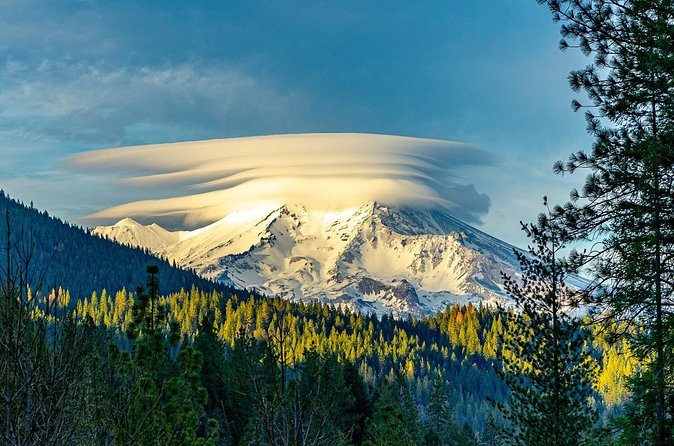
Mount Shasta is one of the most remarkable mountains in the United States. Located in Northern California, this magnificent volcanic mountain is famous for its impressive height, snow-covered summit, beautiful natural surroundings, and fascinating geological history. Rising dramatically above the surrounding landscape, Mount Shasta attracts travelers, nature lovers, photographers, hikers, scientists, and outdoor enthusiasts from different parts of the world.
Standing at approximately 14,179 feet (4,322 meters) above sea level, Mount Shasta is among the highest mountains in California. Its massive volcanic structure dominates the surrounding region and creates a spectacular natural landmark visible from considerable distances on clear days.
Mount Shasta is part of the Cascade Range, a major mountain system extending through western North America. The mountain is also an important part of the Cascade volcanic region, which contains several volcanoes formed through complex geological processes involving tectonic plate movement.
Beyond its geological importance, Mount Shasta has considerable cultural, historical, ecological, and recreational significance. Indigenous communities have maintained cultural connections with the mountain for generations. Today, visitors explore its forests, alpine landscapes, volcanic formations, hiking routes, and nearby communities.
The mountain also supports a variety of plants and wildlife adapted to different elevations and environmental conditions. Its lower slopes contain forests, while higher elevations feature rocky terrain, alpine vegetation, snowfields, and glaciers.
This comprehensive guide explores Mount Shasta’s location, geographical characteristics, geological formation, climate, wildlife, history, cultural importance, tourism opportunities, and environmental challenges.
1. Where Is Mount Shasta Located?
Mount Shasta is located in Siskiyou County in Northern California, United States. It lies within the southern portion of the Cascade Range, approximately 60 miles north of Redding and near the Oregon-California border.
The mountain is situated in a region characterized by volcanic landscapes, evergreen forests, mountain lakes, rivers, and open valleys.
Mount Shasta is surrounded by several communities, including the city of Mount Shasta and the nearby town of McCloud. These communities provide access to accommodation, restaurants, visitor information, outdoor recreation services, and other facilities.
The mountain is part of the larger Shasta-Trinity National Forest region, which contains extensive areas of protected forests, wilderness, rivers, and recreational landscapes.
Its geographical position makes it an important natural feature of Northern California.
The surrounding region offers a combination of natural attractions, including:
- Mountain forests.
- Volcanic rock formations.
- Alpine meadows.
- Mountain streams.
- Lakes and reservoirs.
- Scenic highways.
- Wildlife habitats.
- Snow-covered landscapes.
Mount Shasta’s location also makes it an important destination for people traveling between California and Oregon.
2. Height and Physical Characteristics of Mount Shasta
Mount Shasta reaches approximately 14,179 feet (4,322 meters) above sea level.
Its impressive elevation makes it one of the most recognizable mountains in California.
Unlike mountain ranges consisting of numerous connected peaks, Mount Shasta stands prominently above the surrounding landscape. Its large volcanic structure creates a distinctive appearance.
The mountain consists of several overlapping volcanic formations developed through multiple periods of volcanic activity.
Its broad base gradually rises toward steep upper slopes and a prominent summit area.
Important physical characteristics include:
- Elevation: Approximately 14,179 feet.
- Location: Northern California, United States.
- Mountain range: Cascade Range.
- Geological classification: Stratovolcano.
- Region: Siskiyou County.
- Highest nearby volcanic landmark: Mount Shasta.
- Major environmental features: Forests, glaciers, snowfields, and volcanic terrain.
The mountain’s appearance changes throughout the year.
During winter and early spring, substantial snowfall often covers its upper slopes. In summer, portions of the lower mountain become greener as seasonal snow melts.
Even during warmer months, snow and ice may remain at higher elevations.
3. Geological Formation of Mount Shasta
Mount Shasta is a stratovolcano, also known as a composite volcano.
Stratovolcanoes are generally formed through repeated eruptions involving layers of lava, volcanic ash, rock fragments, and other volcanic materials.
The geological history of Mount Shasta extends over hundreds of thousands of years.
Its formation is connected to tectonic activity along the western edge of North America.
The Juan de Fuca Plate moves beneath the North American Plate through a geological process called subduction. This process contributes to the development of magma beneath the Earth’s surface.
As magma rises through the crust, it may eventually reach the surface through volcanic openings.
Repeated eruptions gradually build volcanic structures.
Mount Shasta developed through multiple episodes of volcanic construction and destruction. Older volcanic formations were affected by erosion, landslides, and other geological processes.
The present mountain contains several major volcanic centers, including:
- Shastina.
- Hotlum Cone.
- Misery Hill.
- Sargents Ridge.
- Older volcanic structures.
Shastina is a prominent secondary volcanic cone located on the western side of Mount Shasta.
The complex geological structure makes Mount Shasta an important subject for scientific research.
Geologists study its rocks, volcanic deposits, glaciers, and landscape features to understand how large volcanic systems develop.
4. Is Mount Shasta an Active Volcano?
Yes. Mount Shasta is considered a potentially active volcano.
Although it is not continuously erupting, geological evidence indicates that volcanic activity has occurred during relatively recent periods of its geological history.
The United States Geological Survey monitors volcanic systems throughout the Cascade Range, including Mount Shasta.
Volcanic monitoring involves observing:
- Earthquake activity.
- Ground deformation.
- Gas emissions.
- Changes in temperature.
- Geological movement.
- Other signs of volcanic unrest.
Mount Shasta has not experienced a historically documented major eruption in modern times comparable to some other famous Cascade volcanoes.
However, scientists continue to recognize its potential for future volcanic activity.
Potential volcanic hazards include ashfall, lava flows, landslides, and lahars.
A lahar is a fast-moving mixture of water, volcanic sediment, and debris that can travel down valleys surrounding a volcano.
Understanding these hazards is important for nearby communities, visitors, and emergency management organizations.
5. The Glaciers of Mount Shasta
One of the most interesting natural features of Mount Shasta is its collection of glaciers.
Glaciers are large masses of ice that develop when snow accumulates over many years and gradually compresses into dense ice.
Mount Shasta supports several named glaciers, including:
- Whitney Glacier.
- Hotlum Glacier.
- Bolam Glacier.
- Konwakiton Glacier.
- Wintun Glacier.
- Watkins Glacier.
- Mud Creek Glacier.
These glaciers are important components of the mountain’s natural environment.
They influence seasonal water availability, contribute to mountain stream systems, and help shape the surrounding landscape.
Glaciers also create impressive geological features, including ice-carved valleys, rocky ridges, and glacial deposits.
Their size and condition change over time because of variations in temperature, snowfall, and precipitation.
Climate change has affected glaciers across many mountain regions worldwide. Mount Shasta’s glaciers are also subject to long-term environmental changes.
Scientists study these ice formations to understand regional climate patterns and changes in mountain water resources.
6. Climate and Weather on Mount Shasta
Mount Shasta experiences different climatic conditions depending on elevation.
The lower mountain has a Mediterranean-influenced climate, with relatively dry summers and wetter winters.
Higher elevations experience much colder temperatures, stronger winds, and substantial snowfall.
Winter is generally the coldest season, while summer offers comparatively warmer conditions at lower elevations.
However, temperatures near the summit can remain extremely cold throughout the year.
Winter Season
Winter brings substantial snowfall to Mount Shasta.
Snow transforms the mountain into a large white landscape and creates opportunities for winter recreation.
However, winter conditions can be unpredictable.
Strong winds, heavy snowfall, icy surfaces, and rapidly changing weather may create dangerous conditions.
Spring Season
Spring brings gradually increasing temperatures and changing snow conditions.
Lower elevations begin to experience new plant growth, while snow remains on much of the upper mountain.
Streams may carry increased water from melting snow.
Summer Season
Summer is generally the most popular period for mountain recreation.
Lower slopes become greener, and many forest trails become more accessible.
However, high-elevation snow and ice may remain.
Weather can still change quickly, especially near the summit.
Autumn Season
Autumn brings cooler temperatures and changing colors in some surrounding vegetation.
The region becomes quieter as the main summer visitor season ends.
Early snowfall may occur at higher elevations.
7. Plants and Vegetation Around Mount Shasta
Mount Shasta supports a variety of plant communities.
The vegetation changes with elevation, temperature, soil conditions, moisture availability, and exposure to sunlight.
Lower elevations contain extensive forests, while higher areas support specialized alpine vegetation.
Common forest trees in the region include:
- Ponderosa pine.
- Sugar pine.
- Douglas fir.
- White fir.
- Red fir.
- Western white pine.
- Mountain hemlock.
These trees form important forest ecosystems that provide habitat for wildlife and help maintain soil stability.
At higher elevations, trees become smaller and less common.
Alpine environments support grasses, flowering plants, mosses, lichens, and other vegetation adapted to cold conditions.
During the warmer months, some mountain meadows develop colorful displays of wildflowers.
Plant life plays an important role in maintaining the ecological balance of the region.
Forests also contribute to carbon storage, water regulation, and soil protection.
8. Wildlife of Mount Shasta
The forests and mountain landscapes surrounding Mount Shasta support a diverse range of wildlife.
Different species occupy different elevations depending on their food requirements, shelter needs, and environmental adaptations.
Mammals found in the broader region include:
- Black bears.
- Mule deer.
- Mountain lions.
- Coyotes.
- Bobcats.
- Gray foxes.
- Squirrels.
- Rabbits.
- Chipmunks.
Birdlife is also diverse.
Visitors may encounter eagles, hawks, owls, woodpeckers, ravens, and several smaller forest birds.
Mountain streams and nearby aquatic environments support various fish and other freshwater organisms.
Wildlife conservation is important because animals depend on healthy habitats for food, reproduction, and survival.
Visitors should observe wildlife from a safe distance and avoid feeding wild animals.
Keeping food properly stored is particularly important in areas where black bears are present.
9. The History of Mount Shasta
Mount Shasta has a long and fascinating history.
Long before modern communities developed in Northern California, Indigenous peoples lived throughout the region and maintained deep cultural relationships with the mountain.
For generations, the mountain has been part of local traditions, stories, travel routes, and cultural landscapes.
European-American exploration and settlement increased during the nineteenth century.
The discovery of natural resources, development of transportation routes, and growth of nearby communities contributed to increased regional activity.
Mount Shasta gradually became recognized as an important destination for scientific exploration, recreation, and tourism.
Its impressive appearance attracted explorers, artists, naturalists, and mountaineers.
Over time, improvements in roads, transportation, outdoor equipment, and visitor services made the mountain more accessible.
Today, Mount Shasta remains an important natural landmark and recreational destination in Northern California.
10. Indigenous Cultural Significance of Mount Shasta
Mount Shasta holds deep cultural significance for Indigenous communities in Northern California and the surrounding region.
Several Native American peoples have historical and cultural connections with the mountain and its surrounding landscapes.
These include communities associated with the Shasta, Modoc, Karuk, Wintu, and other regional Indigenous peoples.
Traditional relationships with the mountain may involve cultural stories, ancestral connections, seasonal activities, spiritual practices, and the use of natural resources.
For many Indigenous communities, mountains are not simply geographical formations.
They can represent important elements of cultural identity, history, responsibility, and relationships with the natural world.
It is important to recognize Indigenous perspectives respectfully and avoid treating all communities as having identical traditions.
Visitors should respect culturally important locations and follow applicable rules regarding access and protection.
11. Mount Shasta as a Tourist Destination
Mount Shasta is a popular destination for people interested in outdoor recreation and natural scenery.
Its forests, mountain landscapes, lakes, rivers, and volcanic formations provide opportunities for many activities.
Visitors travel to the region throughout the year.
Popular activities include:
- Hiking.
- Camping.
- Nature photography.
- Wildlife observation.
- Fishing.
- Mountain sightseeing.
- Snow-based recreation.
- Scenic driving.
- Nature education.
The nearby city of Mount Shasta offers accommodation, restaurants, shops, and visitor services.
The surrounding region also contains several recreational areas managed by public land agencies.
Tourism contributes to the local economy by supporting hotels, restaurants, outdoor recreation businesses, and other services.
12. Hiking Around Mount Shasta
Hiking is one of the most popular activities in the Mount Shasta region.
The mountain and surrounding forests contain trails suitable for different experience levels.
Some routes pass through wooded areas, while others lead toward alpine environments and scenic viewpoints.
Popular hiking destinations include:
Bunny Flat
Bunny Flat is an important access area on the southern side of Mount Shasta.
It is commonly used as a starting point for mountain recreation and provides access to nearby trails.
The surrounding landscape includes forests, mountain views, and seasonal snow.
Panther Meadows
Panther Meadows is a beautiful high-elevation meadow area on Mount Shasta.
It is known for its natural scenery, seasonal vegetation, and cultural significance.
Visitors should remain on designated trails and avoid disturbing sensitive alpine plants.
Gray Butte
Gray Butte is a popular hiking destination offering impressive views of Mount Shasta and the surrounding region.
The route passes through mountain terrain and provides opportunities for photography and nature observation.
Horse Camp
Horse Camp is a historic mountain location associated with mountaineering activity.
It has long served as an important stopping point for visitors traveling through the southern mountain area.
Hikers should research current trail conditions, seasonal restrictions, and access information before visiting.
13. Mount Shasta Climbing and Mountaineering
Mount Shasta is one of the best-known climbing destinations in California.
Its impressive elevation and volcanic landscape attract experienced mountaineers.
However, climbing the mountain is a serious undertaking.
The mountain’s conditions can change rapidly, and snow, ice, altitude, and weather create significant challenges.
Mountaineering requires proper training, preparation, appropriate equipment, and knowledge of mountain hazards.
Climbers should consult official land-management information and current safety guidance.
Some climbing routes involve steep snow slopes and exposed volcanic terrain.
The difficulty of a route depends on seasonal conditions, weather, snow coverage, and individual experience.
Climbing permits or other administrative requirements may apply depending on the activity and current regulations.
Visitors should never assume that a mountain is safe simply because other people are present.
14. Skiing and Winter Recreation
Mount Shasta offers opportunities for winter recreation.
Snow-covered landscapes attract people interested in skiing, snowboarding, snowshoeing, and other seasonal activities.
The region’s winter environment provides a scenic setting for outdoor experiences.
However, winter recreation requires attention to weather forecasts, avalanche information, road conditions, and equipment requirements.
The Mount Shasta Ski Park is an important winter recreation facility in the area.
It provides skiing and snowboarding opportunities when seasonal operating conditions permit.
The ski area also contributes to local tourism and supports winter visitors.
Visitors should check official operating schedules because snow conditions and seasonal availability can change.
15. Lakes and Rivers Near Mount Shasta
The region surrounding Mount Shasta contains several important lakes, rivers, and reservoirs.
These water bodies contribute to the area’s natural beauty and provide habitat for aquatic wildlife.
Lake Siskiyou
Lake Siskiyou is one of the best-known recreational lakes near Mount Shasta.
It offers opportunities for boating, fishing, swimming in designated areas, walking, and sightseeing.
The lake is surrounded by mountain scenery and forested landscapes.
Castle Lake
Castle Lake is another beautiful mountain lake in the region.
Its natural setting makes it popular among visitors interested in photography, hiking, and peaceful outdoor recreation.
Sacramento River
The upper Sacramento River flows through the region and is an important waterway in Northern California.
It supports aquatic ecosystems and provides opportunities for outdoor recreation in appropriate locations.
McCloud River
The McCloud River is famous for its scenic surroundings and waterfalls.
The river passes through forested landscapes and contains several attractive natural viewing areas.
Water resources around Mount Shasta are important for wildlife, nearby communities, agriculture, and regional ecosystems.
16. Nearby Attractions Around Mount Shasta
Mount Shasta is surrounded by several natural attractions.
Visitors can explore these destinations while discovering the wider beauty of Northern California.
Important nearby attractions include:
- Lake Siskiyou.
- Castle Lake.
- McCloud Falls.
- Hedge Creek Falls.
- Mossbrae Falls.
- Shasta-Trinity National Forest.
- McCloud River.
- Mount Shasta City Park.
- Shasta Dam.
- Upper Sacramento River.
Each destination offers different natural and recreational experiences.
Some locations are suitable for short visits, while others require more time for hiking or outdoor exploration.
Access restrictions, parking conditions, and trail closures may change, so visitors should check official information before traveling.
17. The City of Mount Shasta
The city of Mount Shasta is located near the mountain and serves as an important center for visitors.
It provides accommodation, restaurants, shops, outdoor recreation services, and access to surrounding attractions.
The community has a strong connection with the mountain.
Many visitors use the city as a base for exploring nearby lakes, forests, trails, and mountain viewpoints.
The city’s location makes it convenient for people traveling through Northern California.
Local businesses benefit from tourism, particularly during the summer and winter recreation seasons.
18. Photography and Scenic Views
Mount Shasta is one of California’s most recognizable natural photography subjects.
Its impressive volcanic structure, snow-covered summit, surrounding forests, and seasonal landscapes create many opportunities for photography.
Photographers often visit the region during sunrise and sunset.
Changing sunlight can create different appearances across the mountain.
Winter offers snow-covered landscapes, while spring and summer reveal greener forests and seasonal vegetation.
Autumn provides cooler conditions and changing colors in selected surrounding areas.
Popular photography subjects include:
- The mountain summit.
- Lake Siskiyou.
- Castle Lake.
- Forest landscapes.
- Alpine meadows.
- Mountain wildflowers.
- Seasonal snowfields.
- Nearby waterfalls.
Visitors should respect private property, protected habitats, and cultural locations when photographing the region.
19. Environmental Importance of Mount Shasta
Mount Shasta is environmentally important for several reasons.
Its forests, glaciers, streams, alpine environments, and volcanic landscapes support interconnected ecosystems.
The mountain also contributes to regional water resources.
Seasonal snowfall accumulates at higher elevations and gradually melts during warmer periods.
This process contributes to streamflow and supports surrounding watersheds.
Forests help protect soil, regulate water movement, and provide habitat for wildlife.
The mountain’s varied elevations also create different environmental conditions within a relatively compact geographical area.
Protecting these natural systems is important for maintaining biodiversity and ecological stability.
20. Climate Change and Its Effects on Mount Shasta
Climate change is an important environmental issue affecting mountain ecosystems worldwide.
Mount Shasta is not isolated from these changes.
Changes in temperature, snowfall, rainfall, and seasonal weather patterns may influence its glaciers, forests, wildlife, and water resources.
One major concern is the long-term condition of mountain glaciers.
Warmer temperatures can increase ice loss and affect the seasonal availability of water.
Changes in snowpack can also influence rivers and streams.
Forests may experience greater pressure from drought, wildfire, insects, and changing environmental conditions.
Scientists study these processes to understand how mountain ecosystems respond to a changing climate.
Long-term monitoring helps researchers identify environmental trends and develop better conservation strategies.
21. Wildfires and Forest Management
Wildfires are a natural part of many forest ecosystems in California.
However, extreme fire conditions can create serious environmental and community challenges.
The forests surrounding Mount Shasta may experience wildfire risks during dry and hot periods.
Factors influencing wildfire activity include:
- High temperatures.
- Dry vegetation.
- Wind conditions.
- Extended drought.
- Lightning.
- Human activities.
Forest management can include monitoring, fuel reduction, prescribed burning where appropriate, and public education.
Visitors should follow all fire restrictions and never leave campfires unattended.
During periods of elevated fire danger, authorities may close certain recreational areas.
Protecting forests is essential for maintaining wildlife habitat, water quality, and regional biodiversity.
22. Scientific Research on Mount Shasta
Mount Shasta is an important location for geological and environmental research.
Scientists investigate its volcanic structure, glacial systems, climate, groundwater, and ecological communities.
Geological research helps explain how volcanic mountains develop.
Researchers study rock formations and volcanic deposits to reconstruct past eruptions and geological events.
Volcanologists also monitor the mountain for signs of changing activity.
Environmental scientists examine glaciers, snowpack, forests, and water systems.
Biologists study wildlife habitats and ecological relationships.
The information gathered from these investigations helps improve scientific understanding of volcanic environments.
23. Best Time to Visit Mount Shasta
The best time to visit Mount Shasta depends on the type of experience a traveler wants.
Summer
Summer is popular for hiking, sightseeing, camping, fishing, and visiting nearby lakes.
Many lower-elevation trails become more accessible.
Spring
Spring offers flowing streams, changing vegetation, and seasonal scenery.
However, snow may remain on trails and roads at higher elevations.
Autumn
Autumn provides cooler weather and quieter recreational areas.
It can be an attractive season for sightseeing and photography.
Winter
Winter is suitable for visitors interested in snow-covered scenery and winter recreation.
However, snowstorms, road closures, and cold temperatures require additional preparation.
Travelers should always check current weather forecasts and official road and recreation reports.
24. How to Reach Mount Shasta
Mount Shasta is accessible by road from several parts of California and Oregon.
Interstate 5 is the main highway serving the region.
The city of Mount Shasta is located near the highway, making it a convenient base for exploring the surrounding area.
Visitors traveling from major California cities can reach the region through established highway networks.
Air travelers may consider nearby regional airports, depending on available flight services and transportation arrangements.
Rental vehicles and personal transportation are useful for reaching many attractions around the mountain.
Travel conditions can change during winter, particularly when snow affects mountain roads.
Checking road reports before departure is recommended.
25. Accommodation and Visitor Facilities
The Mount Shasta region offers different accommodation options.
Visitors may find:
- Hotels.
- Motels.
- Vacation rentals.
- Cabins.
- Campgrounds.
- Recreational vehicle facilities.
The city of Mount Shasta provides many visitor services.
Additional accommodation options are available in surrounding communities.
Campgrounds offer opportunities for people who prefer outdoor stays.
Availability can vary significantly during busy travel seasons.
Visitors should arrange accommodation early when traveling during popular summer weekends or winter recreation periods.
26. Camping Near Mount Shasta
Camping is a popular way to experience the natural environment surrounding Mount Shasta.
The region contains established campgrounds and other designated camping areas.
Camping provides opportunities to enjoy forests, mountain views, and outdoor recreation.
Visitors should understand local regulations before choosing a camping location.
Important camping principles include:
- Use designated campsites where required.
- Follow fire restrictions.
- Store food securely.
- Respect wildlife.
- Pack out trash.
- Avoid damaging vegetation.
- Protect water sources.
- Respect quiet hours and other visitors.
Responsible camping helps protect the natural environment and ensures that recreational areas remain enjoyable.
27. Educational Value of Mount Shasta
Mount Shasta offers valuable educational opportunities.
Students and researchers can learn about geology, volcanology, ecology, climate science, geography, and environmental conservation.
The mountain provides a real-world example of a stratovolcano.
Its volcanic history helps explain the relationship between tectonic plates and mountain formation.
Its glaciers provide opportunities to study ice movement and climate change.
Its forests demonstrate how vegetation changes with elevation and environmental conditions.
The surrounding lakes and rivers also provide examples of watershed systems and aquatic ecosystems.
Educational visits can help people understand the importance of protecting natural landscapes.
28. Interesting Facts About Mount Shasta
Mount Shasta has many interesting characteristics that make it a remarkable mountain.
- Mount Shasta is located in Northern California.
- It is part of the Cascade Range.
- It is approximately 14,179 feet tall.
- It is a stratovolcano.
- It is considered potentially active.
- It contains several overlapping volcanic formations.
- Shastina is a prominent secondary volcanic cone.
- The mountain supports several named glaciers.
- Its upper slopes receive substantial snowfall.
- The surrounding forests support diverse wildlife.
- It is an important destination for mountaineering.
- Lake Siskiyou is located nearby.
- The McCloud River is a major regional natural attraction.
- The mountain has deep Indigenous cultural significance.
- It is an important subject of geological research.
- The region offers year-round outdoor recreation.
- Mount Shasta is visible from many locations in Northern California.
- Its ecosystems change considerably with elevation.
- Winter conditions can remain severe at high elevations.
- The mountain is an important part of California’s volcanic landscape.
29. Safety and Responsible Tourism
Responsible tourism is essential when visiting Mount Shasta.
The mountain’s natural beauty can attract large numbers of visitors, but its environment requires careful protection.
Visitors should prepare for changing weather and understand the risks associated with mountain environments.
Important safety considerations include:
- Check weather forecasts.
- Follow official trail information.
- Respect seasonal closures.
- Carry appropriate clothing.
- Stay on designated trails.
- Avoid disturbing wildlife.
- Follow fire regulations.
- Respect Indigenous cultural sites.
- Do not approach unstable volcanic or icy terrain.
- Follow official climbing and recreation requirements.
Visitors should recognize that high-elevation mountain environments can be dangerous even during apparently favorable weather.
The safest approach is to plan activities according to current conditions and personal experience.
30. Economic Importance of Mount Shasta
Mount Shasta contributes to the regional economy through tourism and outdoor recreation.
Visitors spend money on accommodation, restaurants, transportation, shopping, equipment, and recreation services.
Local businesses benefit from people traveling to the mountain throughout the year.
Summer tourism supports hiking, camping, sightseeing, and lake activities.
Winter tourism supports skiing, snowboarding, and other seasonal recreation.
Tourism also creates employment opportunities in hospitality, transportation, guiding, retail, and related services.
Maintaining healthy natural environments is important for the long-term economic value of the region.
31. Mount Shasta Compared With Other California Mountains
California contains several impressive mountains.
Mount Shasta is distinctive because of its isolated volcanic structure and prominent position within the Cascade Range.
Mount Whitney, located in the Sierra Nevada, is the highest mountain in the contiguous United States.
Mount Shasta differs from Mount Whitney in geological origin, landscape, and environmental setting.
Mount Shasta is a volcanic mountain, while the Sierra Nevada contains a different geological history and structure.
The two mountains attract different types of outdoor enthusiasts and provide valuable opportunities for scientific study.
Mount Shasta’s volcanic features make it especially important for understanding the geology of the Cascade Range.
32. The Future of Mount Shasta
The future of Mount Shasta will be influenced by geological activity, climate change, conservation policies, tourism, and regional development.
Scientists will continue monitoring the mountain’s volcanic activity.
Environmental researchers will study changes in glaciers, forests, wildlife, and water resources.
Local communities and public agencies will face the challenge of balancing tourism with environmental protection.
Responsible land management can help maintain the mountain’s natural qualities.
Public education will also play an important role in encouraging visitors to respect the landscape.
The long-term protection of Mount Shasta depends on cooperation among scientists, Indigenous communities, government agencies, local residents, and visitors.
33. Why Mount Shasta Is Worth Learning About
Mount Shasta is more than an impressive mountain.
It represents an important combination of geological history, ecological diversity, cultural heritage, and natural beauty.
Its volcanic structure provides valuable information about Earth’s geological processes.
Its glaciers help scientists understand mountain climates.
Its forests and wildlife demonstrate the importance of biodiversity.
Its Indigenous cultural connections remind visitors that landscapes can have meanings extending far beyond their physical characteristics.
The mountain also provides opportunities for recreation, education, and scientific discovery.
Learning about Mount Shasta helps people appreciate the natural systems that shape the western United States.
Conclusion
Mount Shasta is one of the most extraordinary natural landmarks in Northern California. Its impressive elevation, volcanic structure, glaciers, forests, wildlife, and cultural importance make it an important part of the Cascade Range.
Rising approximately 14,179 feet above sea level, this magnificent stratovolcano dominates the surrounding landscape and attracts visitors throughout the year.
Its geological history provides valuable insight into volcanic activity and tectonic processes. Its glaciers, forests, rivers, and alpine ecosystems support a diverse natural environment.
Mount Shasta also holds deep cultural significance for Indigenous communities and continues to contribute to the identity and economy of Northern California.
From hiking and sightseeing to scientific research and environmental education, the mountain offers many opportunities to understand and appreciate the natural world.
Protecting Mount Shasta is important for future generations. Responsible tourism, scientific monitoring, environmental conservation, and respect for Indigenous heritage can help preserve this remarkable mountain.
Whether someone is interested in geography, geology, wildlife, history, or outdoor recreation, Mount Shasta provides an excellent example of the natural beauty and complexity of the American landscape.
Frequently Asked Questions (FAQs)
1. Where is Mount Shasta located?
Mount Shasta is located in Siskiyou County in Northern California, United States. It is part of the Cascade Range.
2. How tall is Mount Shasta?
Mount Shasta is approximately 14,179 feet (4,322 meters) above sea level.
3. Is Mount Shasta a volcano?
Yes. Mount Shasta is a stratovolcano and is considered potentially active.
4. When did Mount Shasta last erupt?
Its volcanic history includes activity during relatively recent geological periods, but its last eruptive episode is not documented with the same certainty as some historically observed volcanoes.
5. Can visitors hike Mount Shasta?
Yes. The region contains many hiking trails. However, reaching higher elevations requires appropriate experience, preparation, and attention to current conditions.
6. What is the best time to visit Mount Shasta?
Summer is popular for hiking and sightseeing, while winter attracts visitors interested in snow-based recreation.
7. Does Mount Shasta have glaciers?
Yes. Mount Shasta supports several named glaciers, including Whitney, Hotlum, and Bolam glaciers.
8. What wildlife lives around Mount Shasta?
The surrounding region supports black bears, mule deer, coyotes, mountain lions, foxes, squirrels, and numerous bird species.
9. What lakes are near Mount Shasta?
Lake Siskiyou and Castle Lake are two well-known lakes in the surrounding region.
10. Why is Mount Shasta famous?
Mount Shasta is famous for its impressive height, volcanic structure, snow-covered summit, glaciers, beautiful landscapes, and cultural significance.
11. Is Mount Shasta open throughout the year?
The surrounding region is accessible throughout the year, but individual roads, trails, and recreation areas may close seasonally because of weather or safety conditions.
12. Is Mount Shasta important for scientific research?
Yes. Scientists study its volcanic history, glaciers, climate, forests, wildlife, and geological structure.
13. What mountain range contains Mount Shasta?
Mount Shasta belongs to the Cascade Range, which extends through western North America.
14. Are there campgrounds near Mount Shasta?
Yes. Several established campgrounds and designated camping areas are available in the surrounding region, subject to seasonal access and regulations.
15. Why should Mount Shasta be protected?
Mount Shasta contains important natural habitats, water resources, geological features, and culturally significant landscapes. Conservation helps protect these resources for future generations.
SEO Information
SEO Title: Mount Shasta Mountain: Complete Guide to California’s Famous Volcano
Meta Description: Discover Mount Shasta Mountain in California, including its height, volcanic history, glaciers, wildlife, hiking trails, climate, tourism, and natural beauty.
Focus Keyword: Mount Shasta Mountain
Secondary Keywords:
- Mount Shasta California
- Mount Shasta volcano
- Mount Shasta height
- Mount Shasta hiking
- Mount Shasta glaciers
- Mount Shasta National Forest
- Mount Shasta tourism
- Mount Shasta mountain facts
- Mount Shasta wildlife
- Cascade Range volcanoes
Suggested URL Slug: mount-shasta-mountain-guide
Article Category: Mountains and Geography
Search Intent: Informational
Recommended Tags: Mount Shasta, California Mountains, Volcanoes, Cascade Range, Mountain Geography, Nature, Wildlife, Travel, Geology, Hiking