
Introduction
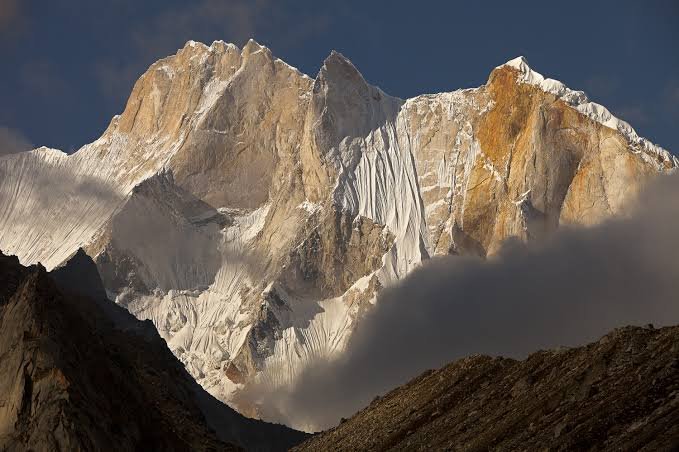
Mount Meru is one of the most beautiful and impressive mountains in Africa. Located in northern Tanzania, near the famous city of Arusha, this spectacular volcanic mountain is known for its dramatic landscapes, rich wildlife, beautiful forests, and breathtaking views. Standing at approximately 4,566 meters (14,980 feet) above sea level, Mount Meru is the second-highest mountain in Tanzania and one of the most remarkable natural landmarks in East Africa.
Although Mount Meru is often overshadowed by Mount Kilimanjaro, it has its own unique beauty and importance. Its impressive volcanic crater, green slopes, wildlife-rich forests, and spectacular summit views make it an attractive destination for mountain climbers, hikers, photographers, and nature lovers.
Mount Meru is located inside Arusha National Park, which is famous for its diverse ecosystems and beautiful natural scenery. Visitors exploring the mountain can experience different environments, including tropical forests, open grasslands, alpine vegetation, and rocky volcanic landscapes.
The mountain also has significant geological, ecological, and cultural importance. Its volcanic history has shaped the surrounding landscape, while its forests provide habitats for numerous animal and plant species.
This comprehensive guide explores Mount Meru’s location, height, geological history, climate, wildlife, vegetation, hiking routes, tourism opportunities, environmental importance, and interesting facts.
1. Where Is Mount Meru Located?
Mount Meru is located in northern Tanzania, in East Africa. It stands near the city of Arusha and is part of the beautiful landscape surrounding Arusha National Park.
The mountain is situated approximately 70 kilometers west of Mount Kilimanjaro. Because of its location, visitors can sometimes enjoy spectacular views of both mountains during clear weather.
Tanzania is home to several famous natural attractions, including Mount Kilimanjaro, Serengeti National Park, Ngorongoro Crater, and Lake Manyara. Mount Meru is another important destination that contributes to the country’s international reputation for natural beauty and adventure tourism.
Its location makes it relatively accessible for travelers visiting northern Tanzania. Arusha serves as an important starting point for visitors planning to explore the mountain.
The surrounding region includes villages, agricultural areas, forests, and wildlife conservation landscapes. These environments create an interesting combination of natural and human landscapes.
Mount Meru’s position inside Arusha National Park also means that visitors can experience wildlife viewing and mountain hiking within the same protected area.
2. How Tall Is Mount Meru?
Mount Meru reaches an elevation of approximately 4,566 meters (14,980 feet) above sea level.
It is the second-highest mountain in Tanzania, after Mount Kilimanjaro, which reaches 5,895 meters.
Although Mount Meru is shorter than Kilimanjaro, it is still a challenging mountain. Its high elevation, steep trails, changing weather, and demanding summit section require proper preparation.
The mountain’s impressive height also creates several different climatic and ecological zones.
At lower elevations, visitors encounter warm conditions and green vegetation. Higher slopes become cooler and support different types of plants. Near the summit, the landscape becomes increasingly rocky and exposed.
The elevation also provides spectacular views across northern Tanzania. On clear days, climbers may see Mount Kilimanjaro rising above the surrounding landscape.
Mount Meru’s height makes it an excellent destination for people interested in high-altitude mountain environments.
3. Geological Formation of Mount Meru
Mount Meru is a volcanic mountain that developed through volcanic activity over a long geological period.
Volcanoes form when molten rock, known as magma, moves from beneath the Earth’s surface toward the atmosphere. When magma reaches the surface, it becomes lava. Repeated volcanic eruptions can gradually build large mountains.
Mount Meru developed through this natural process.
Its volcanic structure contains different types of volcanic materials, including lava, ash, and other deposits created by eruptions.
One of the most noticeable geological features is its enormous horseshoe-shaped crater. This formation is connected to a major collapse and erosion event that changed the mountain’s original structure.
The mountain’s eastern side has a large opening, creating a distinctive appearance that separates it from many other volcanic mountains.
The crater and surrounding cliffs reveal the powerful geological forces that shaped the region.
Over thousands of years, volcanic activity, erosion, rainfall, and other natural processes have continued to modify the mountain.
Today, Mount Meru is an important location for understanding volcanic landscapes and the geological history of northern Tanzania.
4. Mount Meru and Its Volcanic History
Mount Meru has experienced several periods of volcanic activity throughout its geological history.
Like other large volcanoes, it has undergone eruptions that produced lava flows, ash deposits, and changes in its volcanic structure.
One of its most important geological events was a massive collapse that created the mountain’s distinctive horseshoe-shaped crater.
The mountain has also experienced more recent volcanic activity. A small eruption or ash-emission event was reported in 1910.
Although Mount Meru is generally considered dormant, its volcanic nature remains an important part of its identity.
Scientists study volcanic mountains to understand how they develop, how their structures change, and how volcanic activity affects surrounding environments.
Mount Meru provides an excellent example of how volcanic forces can create dramatic natural landscapes.
Its geological history also contributes to the unique soils and vegetation found around the mountain.
5. The Famous Crater of Mount Meru
One of Mount Meru’s most impressive natural features is its enormous volcanic crater.
The crater creates a dramatic landscape of steep cliffs, rocky slopes, and deep valleys.
Its horseshoe-shaped structure is particularly noticeable because the eastern side of the mountain has been opened by an enormous historical collapse.
This unusual formation provides Mount Meru with a distinctive appearance when viewed from nearby areas.
The crater is an important attraction for climbers and nature enthusiasts.
As visitors travel toward higher elevations, they can observe different geological features and changing landscapes.
The crater walls also provide habitats for various plant species adapted to mountain environments.
The surrounding landscape is especially beautiful during clear weather when sunlight illuminates the rocky formations.
Mount Meru’s crater demonstrates the enormous power of volcanic activity and the ability of natural forces to transform the Earth’s surface.
6. Mount Meru and Arusha National Park
Mount Meru is located within Arusha National Park, one of Tanzania’s important protected natural areas.
The national park is known for its beautiful landscapes, wildlife, forests, lakes, and volcanic features.
Unlike some of Tanzania’s larger wildlife parks, Arusha National Park offers a combination of mountain scenery and wildlife experiences within a relatively compact area.
The park contains several different ecosystems, including montane forests, grasslands, wetlands, and alpine environments.
Visitors can enjoy walking safaris, birdwatching, photography, and mountain climbing.
The presence of Mount Meru gives the park a dramatic natural centerpiece.
The mountain also plays an important role in the park’s water systems and ecological diversity.
The forests surrounding its lower slopes help regulate water movement and provide habitats for wildlife.
Arusha National Park is therefore an important destination for people interested in both mountain environments and African wildlife.
7. Climate of Mount Meru
Mount Meru experiences different climatic conditions depending on elevation, season, and geographical location.
The lower slopes generally have warmer temperatures, while higher elevations become increasingly cold.
The mountain’s climate is influenced by altitude, rainfall patterns, wind conditions, and regional weather systems.
During the rainy seasons, the lower slopes become particularly green. Forests, grasslands, and surrounding vegetation receive the moisture needed for growth.
The dry seasons usually provide better visibility and more favorable conditions for many outdoor activities.
However, weather can change quickly at higher elevations.
Climbers may experience sunshine, clouds, strong winds, rain, and cold temperatures during the same mountain expedition.
Temperatures near the summit can become extremely cold, especially during nighttime and early morning hours.
The changing climate creates different environmental zones and contributes to the mountain’s rich biodiversity.
8. Best Time to Visit Mount Meru
The best time to visit Mount Meru generally depends on the weather conditions and the type of experience travelers want.
The drier periods are usually preferred for mountain climbing because trails are often more manageable and visibility can be better.
January through February and June through October are commonly considered favorable periods for climbing.
These months generally provide more suitable weather conditions than the main rainy seasons.
The long rainy season typically occurs around March through May, while shorter rains often occur around November and December.
Rainfall can make mountain trails slippery and reduce visibility.
However, the rainy season also brings beautiful green landscapes and attractive scenery.
Visitors interested in photography and vegetation may appreciate the mountain during wetter periods.
People planning a climbing expedition should check current weather information and local park regulations before traveling.
9. Wildlife Around Mount Meru
Mount Meru is surrounded by an impressive variety of wildlife.
Because the mountain lies inside Arusha National Park, visitors may encounter several species of African animals.
The park’s forests and grasslands provide habitats for different mammals, birds, reptiles, and other wildlife.
Some commonly observed animals include:
- Giraffes
- African buffaloes
- Zebras
- Warthogs
- Bushbucks
- Blue monkeys
- Black-and-white colobus monkeys
- Baboons
- Various antelope species
Giraffes are particularly recognizable in the park because they frequently move through open grassland areas.
Buffaloes are another important species and can sometimes be seen in groups.
Monkeys are commonly associated with the forest environments.
The presence of these animals makes the region especially interesting for wildlife photographers and nature enthusiasts.
Wildlife sightings are never guaranteed, because animals move naturally through their habitats.
Visitors should observe animals from a safe distance and follow instructions from park guides.
10. Birds Found Around Mount Meru
Mount Meru is also an important destination for birdwatching.
Its different habitats support numerous bird species, including forest birds, grassland birds, and species associated with wetlands.
The mountain’s forests provide food, shelter, and nesting opportunities for many birds.
Some birds that visitors may encounter in the broader region include:
- Hartlaub’s turaco
- Silvery-cheeked hornbill
- African paradise flycatcher
- Crowned eagle
- White-necked raven
- Various sunbirds
- Weaver birds
- Starlings
- Barbets
Bird diversity changes with elevation and habitat.
Forest areas support species adapted to dense vegetation, while open grasslands attract birds that feed in more exposed environments.
Birdwatching is particularly rewarding for visitors who enjoy observing animal behavior and photographing wildlife.
The combination of forest habitats, open landscapes, and mountain environments makes Mount Meru ecologically valuable.
11. Vegetation and Plant Life
Mount Meru contains several vegetation zones because of its changing elevation and climate.
The lower slopes support forests and grasslands, while higher areas contain vegetation adapted to colder temperatures.
The mountain’s forests are particularly important because they provide habitats for wildlife and help protect the surrounding environment.
Lower forest areas contain different tree species, shrubs, climbing plants, and flowering vegetation.
At higher elevations, the vegetation becomes less dense.
Plants must adapt to colder temperatures, strong winds, changing moisture levels, and intense sunlight.
The upper mountain environment supports specialized vegetation that can survive under difficult conditions.
The transition between these ecological zones makes Mount Meru an interesting destination for botanists and environmental researchers.
Its plant diversity also contributes to soil protection and water regulation.
12. Hiking and Climbing Mount Meru
Mount Meru is one of the most popular mountain-climbing destinations in Tanzania.
Its trails provide opportunities to experience forests, wildlife, volcanic scenery, and high-altitude landscapes.
Although the mountain is sometimes described as a preparation climb for Mount Kilimanjaro, it is a major destination in its own right.
The climb usually takes several days and requires physical fitness, suitable equipment, and proper planning.
Most visitors follow the Momella Route, which is the established climbing route.
The route passes through different vegetation zones and provides changing views of the mountain.
Climbers can experience forest environments, open moorlands, rocky terrain, and the dramatic summit landscape.
An important part of the experience is observing how the environment changes as elevation increases.
Because Mount Meru is located inside a national park, climbing arrangements are subject to park regulations.
Visitors are generally required to climb with authorized guides and an armed park ranger.
This requirement supports visitor safety and wildlife protection.
13. The Momella Route
The Momella Route is the main established climbing route on Mount Meru.
It begins near Momella Gate in Arusha National Park and gradually leads climbers toward the mountain’s higher elevations.
The route is famous for its beautiful scenery and opportunities to observe wildlife.
During the early stages, climbers pass through forest environments where monkeys, birds, and other animals may be seen.
As the trail climbs higher, the landscape changes into open vegetation zones.
The route eventually reaches designated mountain huts where climbers can rest overnight.
The journey continues toward the summit area.
The final section is particularly demanding because of its steep terrain, high elevation, and exposed ridges.
The route is popular among visitors who want to experience a challenging African mountain without attempting a longer expedition on Kilimanjaro.
14. Socialist Peak: The Highest Point of Mount Meru
Socialist Peak is the highest point of Mount Meru.
It reaches approximately 4,566 meters above sea level.
Reaching the summit is the main objective for many climbers visiting the mountain.
The summit area provides spectacular views of the surrounding landscape.
On clear mornings, visitors may enjoy impressive views of Mount Kilimanjaro in the distance.
The surrounding volcanic crater and steep mountain slopes create an unforgettable natural environment.
Reaching Socialist Peak requires physical preparation and an understanding of high-altitude conditions.
The final summit section is usually completed during the early morning hours.
The darkness, cold temperatures, and challenging terrain make this part of the expedition especially demanding.
Climbers should follow their guides’ instructions and maintain a suitable pace.
The summit represents an important achievement for people interested in mountain exploration.
15. Mount Meru as Preparation for Mount Kilimanjaro
Many climbers choose Mount Meru before attempting Mount Kilimanjaro.
There are several reasons for this.
First, climbing Mount Meru provides experience with multi-day mountain trekking.
Visitors become familiar with high-altitude environments, mountain weather, and the physical demands of climbing.
Second, the mountain offers an opportunity to experience gradual elevation gain.
Third, it provides spectacular scenery and a rewarding mountain adventure.
However, climbing Mount Meru does not guarantee successful acclimatization for Kilimanjaro.
Every person responds differently to altitude, and proper acclimatization remains important.
Mount Meru should therefore be treated as a serious mountain expedition rather than simply a training exercise.
Its own climbing challenges deserve respect.
16. The Natural Beauty of Mount Meru
Mount Meru is famous for its extraordinary natural beauty.
Its landscape combines volcanic formations, green forests, open grasslands, mountain valleys, and dramatic cliffs.
The mountain’s shape is particularly impressive when viewed from surrounding areas.
Its large crater and steep slopes create a distinctive silhouette against the sky.
During clear weather, the mountain provides beautiful views of northern Tanzania.
The surrounding national park adds further beauty through its wildlife and vegetation.
Sunrise and sunset can create especially attractive scenery as sunlight changes the appearance of the mountain.
The combination of natural features makes Mount Meru an excellent destination for landscape photography.
17. Momella Lakes and Their Importance
The Momella Lakes are among the important natural attractions of Arusha National Park.
These lakes are located near Mount Meru and contribute to the region’s ecological diversity.
They are known for their beautiful colors, birdlife, and surrounding landscapes.
The lakes are particularly interesting because their water chemistry and mineral content can vary.
Some lakes may appear greenish or turquoise, while others can have different colors depending on environmental conditions.
Flamingos are among the birds that may be observed around certain lakes.
The surrounding wetlands provide habitats for other bird species and wildlife.
Visitors often include the Momella Lakes in their exploration of Arusha National Park.
The lakes and Mount Meru together create a remarkable combination of volcanic scenery and wetland ecosystems.
18. Forests of Mount Meru
The forests surrounding Mount Meru are among its most important natural features.
These forests support biodiversity, protect soils, and help regulate water resources.
They also create cooler and more humid environments compared with the open grasslands at lower elevations.
Forest habitats provide shelter and food for monkeys, birds, insects, and numerous other organisms.
The vegetation includes trees, shrubs, vines, and different types of ground plants.
Some forest areas are especially attractive because of their dense vegetation and natural atmosphere.
Walking through these environments allows visitors to experience a different side of Tanzania’s natural landscape.
The forests also play an important role in maintaining the ecological balance of Arusha National Park.
19. Mount Meru and Local Communities
Mount Meru has cultural and economic importance for communities living around the mountain.
The surrounding region includes settlements, farms, tourism businesses, and traditional communities.
Agriculture is an important activity in the fertile areas surrounding the mountain.
The volcanic soils and favorable climatic conditions support different agricultural activities.
Tourism also provides employment opportunities.
Local people work as guides, porters, drivers, accommodation staff, conservation workers, and service providers.
Visitors who climb Mount Meru contribute to the regional tourism economy.
Responsible tourism can support local businesses while encouraging environmental protection.
The mountain is therefore important not only as a natural landmark but also as a source of economic opportunity.
20. Cultural Importance of Mount Meru
Mount Meru is associated with the history and cultural identity of communities in northern Tanzania.
The mountain is named after the Meru people, an ethnic community associated with the Arusha region.
The surrounding landscape has supported human settlement and agricultural activity for generations.
Mountains in many African communities hold cultural and spiritual significance.
Local traditions, historical experiences, and relationships with the natural environment contribute to the cultural importance of these landscapes.
Visitors should respect local customs and communities when exploring the region.
Understanding the cultural background of Mount Meru provides a deeper appreciation of the mountain beyond its physical appearance.
21. Tourism and Economic Importance
Mount Meru contributes to Tanzania’s tourism industry.
Although Mount Kilimanjaro attracts a larger number of international climbing visitors, Mount Meru offers a different and valuable mountain experience.
Its location near Arusha makes it accessible to travelers exploring northern Tanzania.
Tourism activities include:
- Mountain climbing
- Guided nature walks
- Wildlife observation
- Birdwatching
- Landscape photography
- Cultural experiences
- National park visits
These activities support businesses throughout the region.
Hotels, restaurants, transport services, tour companies, and local guides benefit from tourism.
Responsible tourism also creates opportunities for conservation education.
By visiting Mount Meru through authorized operators, travelers can contribute to the local economy and support protected-area management.
22. Environmental Importance of Mount Meru
Mount Meru plays an important role in the surrounding environment.
Its forests, grasslands, wetlands, and volcanic landscapes support different ecological processes.
The mountain’s vegetation helps protect the soil from erosion.
Forests also influence local water cycles by capturing rainfall and helping regulate water movement.
The different elevations create habitats for plants and animals with different environmental requirements.
These habitats support biodiversity and contribute to the ecological health of the region.
Protected areas such as Arusha National Park help conserve important natural resources.
Maintaining these ecosystems is essential for wildlife, local communities, and future generations.
23. Conservation Challenges
Despite its natural importance, Mount Meru and its surrounding ecosystems face several environmental challenges.
Human activities, climate change, habitat disturbance, invasive species, and pressure on natural resources can affect mountain environments.
Climate change may influence rainfall patterns and temperatures.
Changes in weather conditions can affect vegetation, water availability, and wildlife habitats.
Tourism also requires careful management.
Large numbers of visitors can create pressure on trails, forests, and waste-management systems if activities are not properly controlled.
Conservation authorities and local communities play important roles in protecting the area.
Responsible visitors can contribute by following park regulations, avoiding littering, and respecting wildlife.
Environmental education is another important part of long-term conservation.
24. Safety and Preparation for Climbing Mount Meru
Climbing Mount Meru requires careful preparation.
Although it is not as high as Mount Kilimanjaro, it remains a serious high-altitude expedition.
Visitors should consider their physical fitness, equipment, weather conditions, and altitude-related risks.
Important preparation considerations include:
Physical Fitness: Regular walking, hiking, and general endurance activities can help prepare the body for mountain trekking.
Suitable Clothing: Temperatures become colder at higher elevations, so appropriate layered clothing is important.
Footwear: Comfortable, supportive hiking boots can help improve stability on uneven trails.
Hydration: Drinking enough water is important during mountain activities.
Acclimatization: Allowing the body time to adjust to increasing elevation is essential.
Professional Guidance: Climbers should follow authorized guides and park rangers.
Weather Awareness: Conditions can change quickly, especially near the summit.
Anyone experiencing possible altitude-related illness should inform their guide immediately and follow appropriate medical advice.
Preparation helps make the experience safer and more enjoyable.
25. Photography Opportunities on Mount Meru
Mount Meru offers excellent opportunities for photography.
Its landscapes include forests, volcanic cliffs, mountain ridges, grasslands, lakes, and distant mountain views.
Landscape photographers can capture the mountain from different locations around Arusha National Park.
Wildlife photography is another popular activity.
Visitors may photograph giraffes, zebras, buffaloes, monkeys, and numerous bird species.
The changing light during sunrise and sunset can create attractive photographic conditions.
Higher elevations provide impressive views of the volcanic crater and surrounding landscape.
Photographers should respect wildlife and avoid disturbing animals while taking pictures.
The mountain’s diversity makes it suitable for nature photography, adventure photography, and travel photography.
26. Interesting Facts About Mount Meru
Mount Meru has several fascinating characteristics that make it an important natural landmark.
- Mount Meru is located in northern Tanzania.
- It reaches approximately 4,566 meters above sea level.
- It is the second-highest mountain in Tanzania.
- It is a volcanic mountain.
- It is located inside Arusha National Park.
- Its highest point is known as Socialist Peak.
- Its main climbing route is the Momella Route.
- The mountain contains a spectacular horseshoe-shaped crater.
- Its geological history includes major volcanic collapse events.
- It experienced a small eruption or ash-emission event in 1910.
- Mount Meru is located near the city of Arusha.
- It is approximately 70 kilometers west of Mount Kilimanjaro.
- The mountain supports several vegetation zones.
- Its forests provide habitats for monkeys and birds.
- Giraffes and buffaloes are among the wildlife found in Arusha National Park.
- The nearby Momella Lakes are important wetland habitats.
- Many climbers visit Mount Meru before attempting Kilimanjaro.
- The mountain provides spectacular views of northern Tanzania.
- Its volcanic soils contribute to the region’s agricultural importance.
- It is an important destination for nature tourism and conservation.
27. Why Is Mount Meru Famous?
Mount Meru is famous for its volcanic landscape, impressive elevation, beautiful forests, wildlife, and challenging climbing routes.
Its horseshoe-shaped crater is one of its most recognizable features.
The mountain is also known for its location within Arusha National Park.
Unlike many mountain destinations that focus mainly on climbing, Mount Meru combines mountain adventures with opportunities to observe African wildlife.
Its proximity to Mount Kilimanjaro makes it an attractive destination for travelers visiting northern Tanzania.
The mountain also provides an interesting opportunity to explore volcanic geology and different ecological zones.
These features make Mount Meru one of East Africa’s most remarkable natural attractions.
28. Mount Meru Compared With Mount Kilimanjaro
Mount Meru and Mount Kilimanjaro are two famous mountains in Tanzania.
Both are volcanic mountains and important destinations for mountain tourism.
However, they have several differences.
Mount Kilimanjaro reaches 5,895 meters, making it the highest mountain in Africa.
Mount Meru reaches approximately 4,566 meters and is the second-highest mountain in Tanzania.
Kilimanjaro is internationally famous for its height and established climbing routes.
Mount Meru is especially recognized for its dramatic volcanic crater, wildlife-rich surroundings, and beautiful mountain scenery.
The two mountains also differ in their climbing experiences.
Kilimanjaro expeditions commonly take several days, depending on the route and itinerary.
Mount Meru climbs also generally require several days.
Both mountains require physical preparation and careful attention to altitude.
Choosing between them depends on the visitor’s interests, experience, available time, and personal goals.
29. What Makes Mount Meru Different From Other African Mountains?
Mount Meru has a combination of natural characteristics that make it different from many other African mountains.
Its volcanic crater is particularly distinctive.
The mountain also offers a mixture of forest ecosystems, open landscapes, wildlife habitats, and alpine environments.
Its location inside Arusha National Park creates opportunities to experience wildlife and mountain scenery in one destination.
Another important feature is its proximity to Mount Kilimanjaro.
Visitors can enjoy views of Africa’s highest mountain while exploring another impressive volcanic landscape.
The mountain’s relatively less crowded climbing environment can also appeal to travelers seeking a different experience.
These characteristics make Mount Meru a valuable destination for people interested in nature, geology, and adventure tourism.
30. Educational and Scientific Importance
Mount Meru is an interesting location for scientific research and environmental education.
Its volcanic structure provides information about geological processes.
Scientists can study volcanic rocks, crater formations, erosion, and landscape development.
The mountain’s different ecological zones also provide opportunities for biological research.
Researchers may study vegetation patterns, animal habitats, climate variation, and biodiversity.
The surrounding forests and wetlands are valuable for understanding ecological relationships.
Mount Meru can also help students learn about mountain environments, volcanic processes, and conservation.
Its combination of geological and biological features makes it an important natural learning environment.
31. The Role of Water Around Mount Meru
Water is essential to the ecosystems surrounding Mount Meru.
Rainfall supports forest growth, grasslands, wetlands, and wildlife habitats.
The mountain’s vegetation helps regulate water movement and protect soil.
Forested slopes can influence how rainfall enters the ground and moves through the landscape.
The nearby Momella Lakes provide important wetland habitats for birds and other organisms.
Water resources also support human communities and agricultural activities in the surrounding region.
Changes in rainfall patterns can therefore influence both natural ecosystems and local livelihoods.
Protecting mountain forests and water systems is an important part of environmental conservation.
32. Mount Meru and Adventure Tourism
Adventure tourism is one of the major reasons people visit Mount Meru.
The mountain provides opportunities for multi-day trekking, nature exploration, and high-altitude experiences.
Climbers enjoy the changing scenery and the challenge of reaching Socialist Peak.
The mountain also attracts visitors who enjoy guided nature walks and wildlife photography.
Adventure tourism can provide economic benefits to surrounding communities.
However, it must be managed responsibly to avoid environmental damage.
Visitors should use authorized guides, follow park rules, and respect protected habitats.
Responsible adventure tourism helps maintain the mountain’s natural beauty for future visitors.
33. How Long Does It Take to Climb Mount Meru?
A typical Mount Meru climbing expedition takes approximately three to four days, depending on the itinerary and operator.
Some itineraries include additional time for acclimatization and rest.
The Momella Route is the established route used by most climbers.
The journey generally includes walking through lower forest environments, reaching mountain accommodation, and continuing toward the summit.
The summit attempt usually takes place early in the morning.
The duration depends on weather, trail conditions, physical fitness, and the selected climbing schedule.
Visitors should choose an itinerary that provides appropriate time for rest and adjustment to altitude.
34. Accommodation and Facilities
Accommodation options for visitors exploring Mount Meru are available in and around Arusha.
The city of Arusha offers hotels, lodges, guesthouses, and other accommodation facilities.
Within the mountain climbing route, designated mountain huts provide overnight accommodation for climbers.
Facilities are more limited at higher elevations than in nearby towns.
Visitors should arrange accommodation and climbing services before arriving.
Travelers should also confirm what equipment, meals, transport, and other services are included in their climbing package.
Proper planning helps make a mountain expedition more comfortable.
35. Responsible Tourism on Mount Meru
Responsible tourism is essential for protecting Mount Meru’s natural environment.
Visitors should understand that the mountain is part of a protected national park.
This means that wildlife, vegetation, and natural landscapes must be respected.
Important responsible tourism practices include:
- Avoid leaving rubbish on trails.
- Follow instructions from authorized guides.
- Keep a respectful distance from wildlife.
- Avoid damaging plants and trees.
- Stay on designated paths.
- Respect local communities and traditions.
- Follow park regulations.
- Use water and other resources responsibly.
- Avoid disturbing birds and other animals.
- Support responsible local tourism businesses.
These simple actions can help protect the mountain for future generations.
36. Mount Meru as a Destination for Nature Lovers
Mount Meru is an excellent destination for people who enjoy natural environments.
Its forests provide opportunities to observe plants and wildlife.
Its volcanic landscapes attract people interested in geology.
Its mountain trails appeal to hikers and adventure travelers.
The nearby lakes offer opportunities for birdwatching and landscape photography.
Visitors can experience different ecosystems within one protected area.
This variety makes Mount Meru especially attractive to travelers who want more than a traditional mountain-climbing experience.
37. The Future of Mount Meru Conservation
The future of Mount Meru depends on effective conservation and responsible environmental management.
Protected areas require long-term planning to maintain biodiversity and natural resources.
Conservation efforts should focus on protecting forests, maintaining wildlife habitats, managing tourism, and supporting surrounding communities.
Climate change is another important issue.
Changing temperatures and rainfall patterns may influence vegetation and water resources.
Scientific research can help conservation authorities understand these changes.
Environmental education can also encourage visitors and local communities to participate in conservation.
Protecting Mount Meru is important for wildlife, tourism, regional ecosystems, and future generations.
38. Reasons to Visit Mount Meru
There are many reasons why Mount Meru deserves a place on a traveler’s list of African destinations.
First, it offers beautiful volcanic scenery.
Second, its forests and grasslands support diverse wildlife.
Third, it provides a challenging but rewarding climbing experience.
Fourth, its location inside Arusha National Park makes it suitable for combining mountain activities with wildlife observation.
Fifth, it offers spectacular views of northern Tanzania.
Sixth, it provides an opportunity to explore an important volcanic landscape.
Finally, the mountain offers visitors a chance to experience the natural and cultural richness of Tanzania.
For travelers interested in mountains, wildlife, and adventure, Mount Meru is an excellent destination.
39. Frequently Asked Questions About Mount Meru
1. Where is Mount Meru located?
Mount Meru is located in northern Tanzania, near the city of Arusha. It is situated inside Arusha National Park.
2. How high is Mount Meru?
Mount Meru reaches approximately 4,566 meters (14,980 feet) above sea level.
3. Is Mount Meru the highest mountain in Tanzania?
No. Mount Kilimanjaro is the highest mountain in Tanzania and Africa. Mount Meru is the second-highest mountain in Tanzania.
4. Is Mount Meru a volcano?
Yes. Mount Meru is a volcanic mountain with a long geological history.
5. What is the highest point of Mount Meru?
The highest point is called Socialist Peak, which reaches approximately 4,566 meters.
6. How difficult is climbing Mount Meru?
Climbing Mount Meru is challenging because of its elevation, steep terrain, changing weather, and demanding summit section.
7. How many days are required to climb Mount Meru?
Most climbing itineraries take approximately three to four days.
8. What is the main climbing route?
The Momella Route is the main established route used to climb Mount Meru.
9. Can visitors see Mount Kilimanjaro from Mount Meru?
Yes. During clear weather, visitors can enjoy impressive views of Mount Kilimanjaro from Mount Meru.
10. What animals live around Mount Meru?
The surrounding national park supports giraffes, buffaloes, zebras, monkeys, antelopes, and numerous bird species.
11. Is Mount Meru inside a national park?
Yes. Mount Meru is located within Arusha National Park.
12. What is the best time to climb Mount Meru?
January through February and June through October are generally favorable climbing periods because they are usually drier.
13. Is Mount Meru suitable for beginners?
People with suitable fitness and preparation may attempt the climb, but it is a serious high-altitude expedition. Professional guidance and proper preparation are important.
14. Why is Mount Meru famous?
It is famous for its volcanic crater, beautiful forests, wildlife, high elevation, and spectacular mountain scenery.
15. Is Mount Meru still an active volcano?
Mount Meru is generally considered dormant, although it has experienced volcanic activity in its geological history, including a small ash-emission event in 1910.
Conclusion
Mount Meru is one of the most remarkable mountains in East Africa. Located in northern Tanzania, this impressive volcanic mountain combines dramatic geological formations, beautiful forests, diverse wildlife, and breathtaking natural scenery.
With an elevation of approximately 4,566 meters, it stands as the second-highest mountain in Tanzania. Its distinctive horseshoe-shaped crater, Socialist Peak, and surrounding ecosystems make it an important natural landmark.
Mount Meru is much more than a climbing destination. It is an important part of Arusha National Park and supports a wide variety of plants and animals. Its forests contribute to environmental protection, while its surrounding landscapes provide opportunities for tourism, education, and scientific research.
The mountain also has cultural and economic importance for communities living in northern Tanzania. Tourism creates employment opportunities and encourages greater appreciation of the region’s natural heritage.
For adventure travelers, Mount Meru offers a rewarding mountain experience. For wildlife enthusiasts, it provides opportunities to observe animals in a beautiful protected environment. For photographers, its volcanic scenery, forests, and distant mountain views create unforgettable subjects.
Although Mount Meru is sometimes overshadowed by Mount Kilimanjaro, it deserves recognition as one of Africa’s most beautiful and interesting mountains.
Its combination of volcanic history, ecological diversity, wildlife, and adventure makes it a truly special destination.
Protecting Mount Meru through responsible tourism and conservation will help preserve its natural beauty and ecological importance for future generations.
Anyone interested in exploring the mountains of Africa should consider discovering the remarkable beauty of Mount Meru.
SEO Information
SEO Title: Mount Meru Mountain: Complete Guide, Height, Location, Climbing and Facts
Meta Description: Discover Mount Meru in Tanzania, including its height, location, volcanic history, wildlife, climbing routes, climate, and fascinating facts.
Focus Keyword: Mount Meru Mountain
Secondary Keywords:
- Mount Meru Tanzania
- Mount Meru height
- Mount Meru climbing
- Mount Meru location
- Mount Meru volcano
- Mount Meru hiking
- Socialist Peak
- Arusha National Park
- Mount Meru wildlife
- Mountains in Tanzania
Suggested URL Slug: mount-meru-mountain
Suggested Article Category: Mountains / Travel / Geography
Article Tags: Mount Meru, Tanzania Mountains, African Mountains, Volcanic Mountains, Mountain Climbing, Arusha National Park